How Infrastructure Projects Boost Property Values in Brisbane City
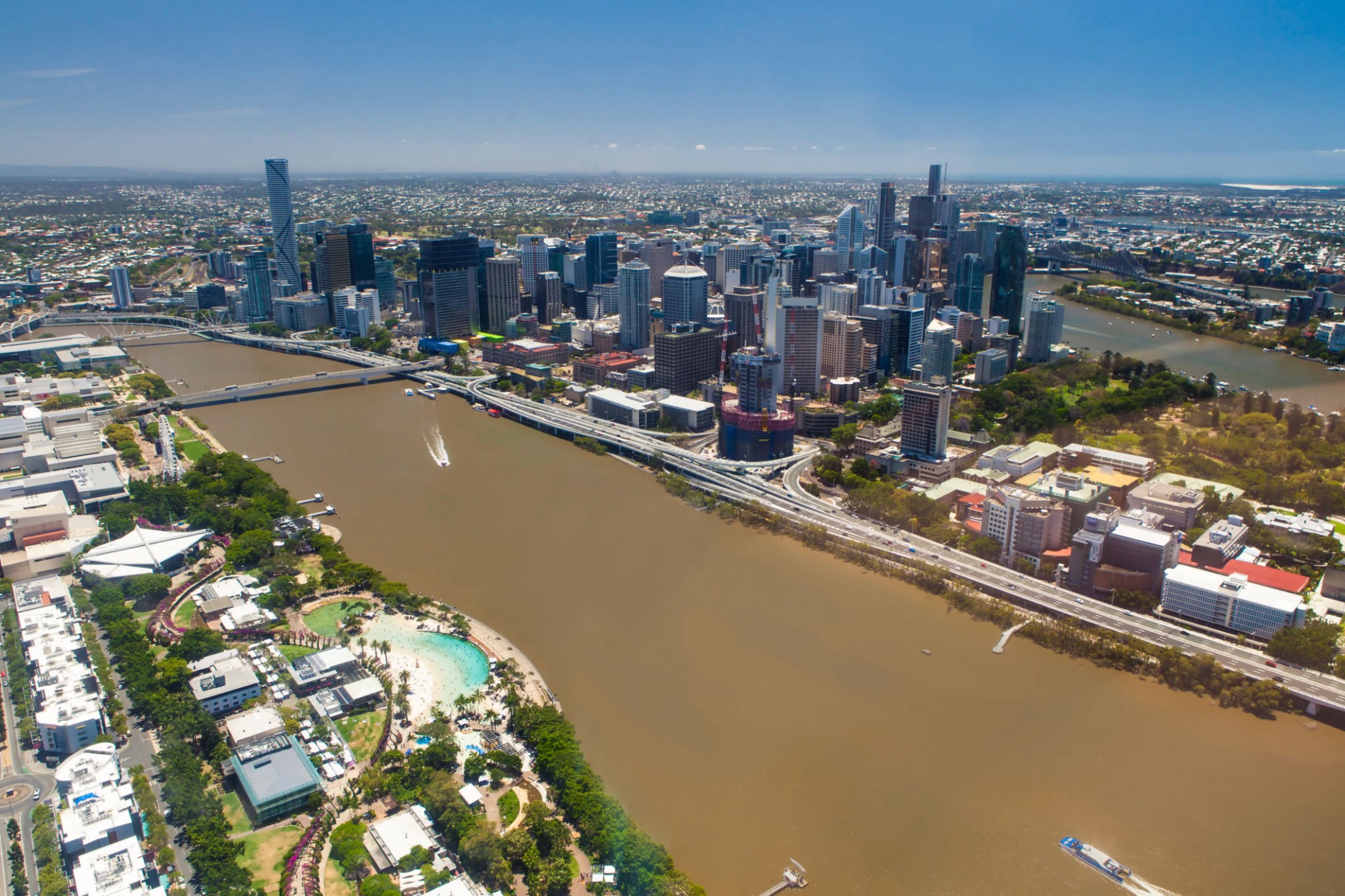
How Infrastructure Projects Boost Property Values in Brisbane City
Brisbane City has entered a decisive infrastructure-led growth phase.
More than any other factor, infrastructure investment reshapes commercial property values by changing how people move, where businesses locate, and how precincts function. In Brisbane City, billions of dollars in transport, road, rail, and aviation projects are already altering demand patterns — often well before construction is completed.
For commercial property owners and investors, understanding which infrastructure projects matter — and how they influence value — is now essential.
This article explains how major infrastructure projects are boosting commercial property demand and values across Brisbane City, and what that means if you’re holding — or considering selling — a commercial asset.
Why Infrastructure Has Such a Strong Impact on Commercial Property
Infrastructure affects commercial property in three powerful ways:
Accessibility – reducing travel time for staff, clients, and customers
Tenant demand – attracting businesses that rely on connectivity
Perception and confidence – signalling long-term government commitment
Unlike residential markets, commercial property responds directly to infrastructure because business location decisions are fundamentally driven by transport efficiency, workforce access, and client convenience.
In Brisbane City, multiple projects are stacking these advantages at once.
TOP SECTION – Cross-City Transport & Rail Infrastructure
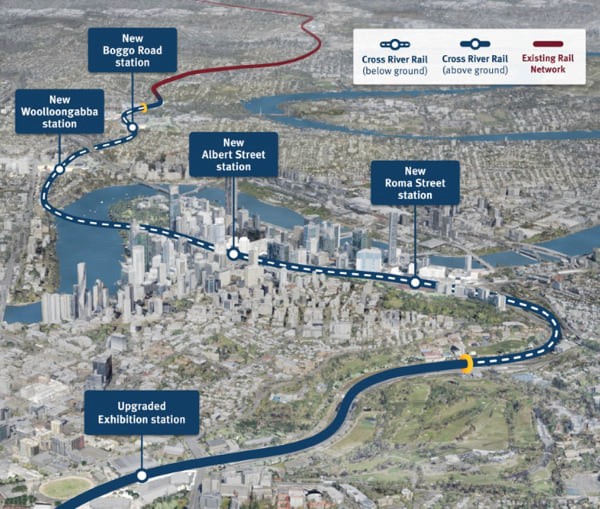
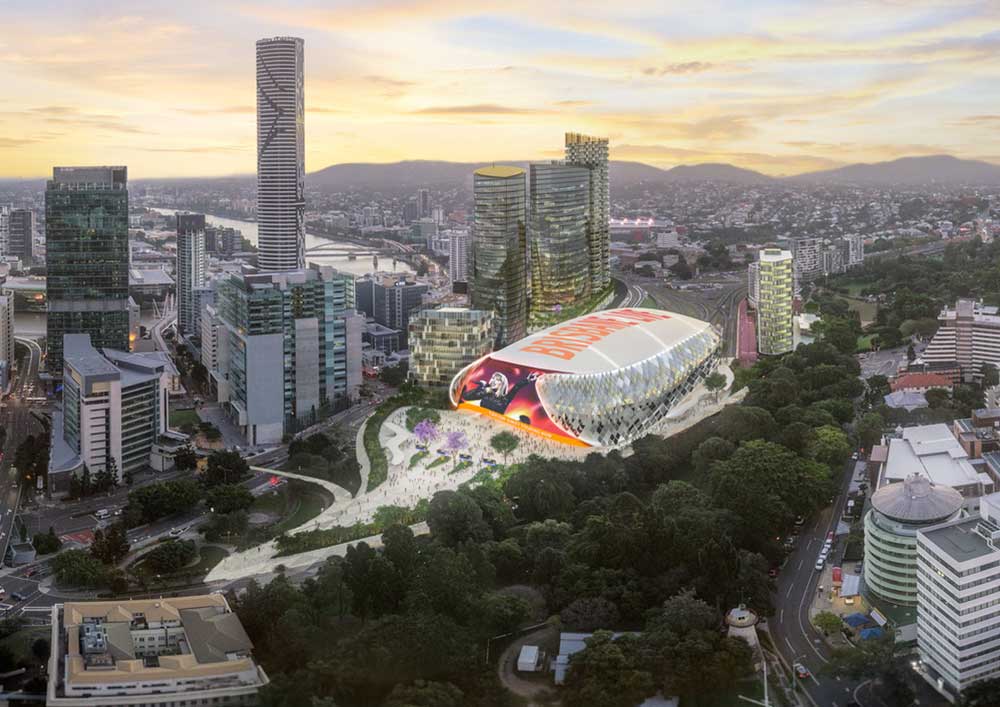
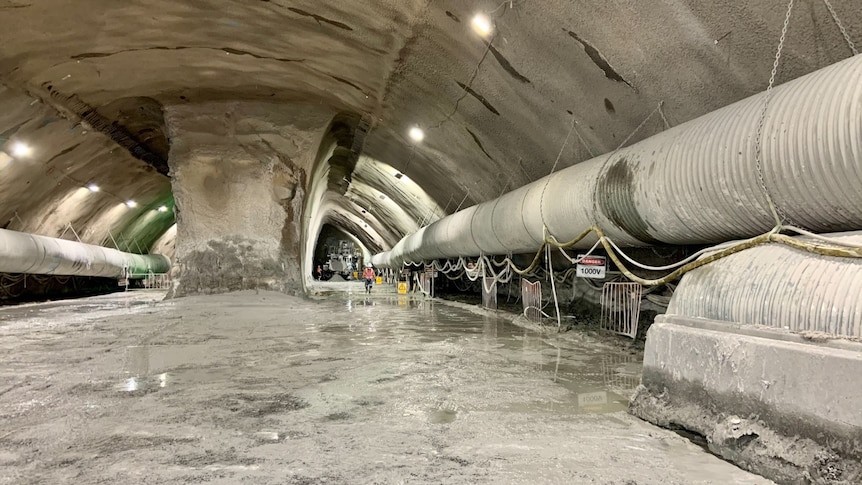
One of the most transformative infrastructure projects Brisbane City has ever seen is the expansion of its inner-city rail network.
Major rail investment is reshaping how workers access the CBD and adjacent precincts, significantly increasing the attractiveness of commercial assets within walking distance of stations.
How rail projects lift commercial values
Rail infrastructure:
Expands the effective labour catchment
Reduces reliance on car travel
Improves reliability for daily commuting
Increases demand for nearby office, medical, and service space
Commercial buildings near major rail nodes consistently experience:
Lower vacancy rates
Longer lease terms
Stronger tenant covenants
Higher exit liquidity
For investors, proximity to rail is no longer a bonus — it is becoming a baseline requirement.
Road & Highway Upgrades: Improving Commercial Catchments
While rail often captures headlines, road infrastructure remains critical to Brisbane City’s commercial performance — particularly for logistics, professional services, and regional businesses.
Why road upgrades matter
New and upgraded highways:
Reduce freight and service travel times
Improve access to fringe and outer suburbs
Support decentralised office and service hubs
Strengthen Brisbane’s role as a regional business centre
As travel times shrink, Brisbane City becomes more accessible to:
South-East Queensland workforces
Regional professional services
Businesses servicing both metropolitan and regional clients
This expanded reach increases the depth of tenant demand for centrally located commercial assets.
MID SECTION – Airport Expansion & Global Connectivity
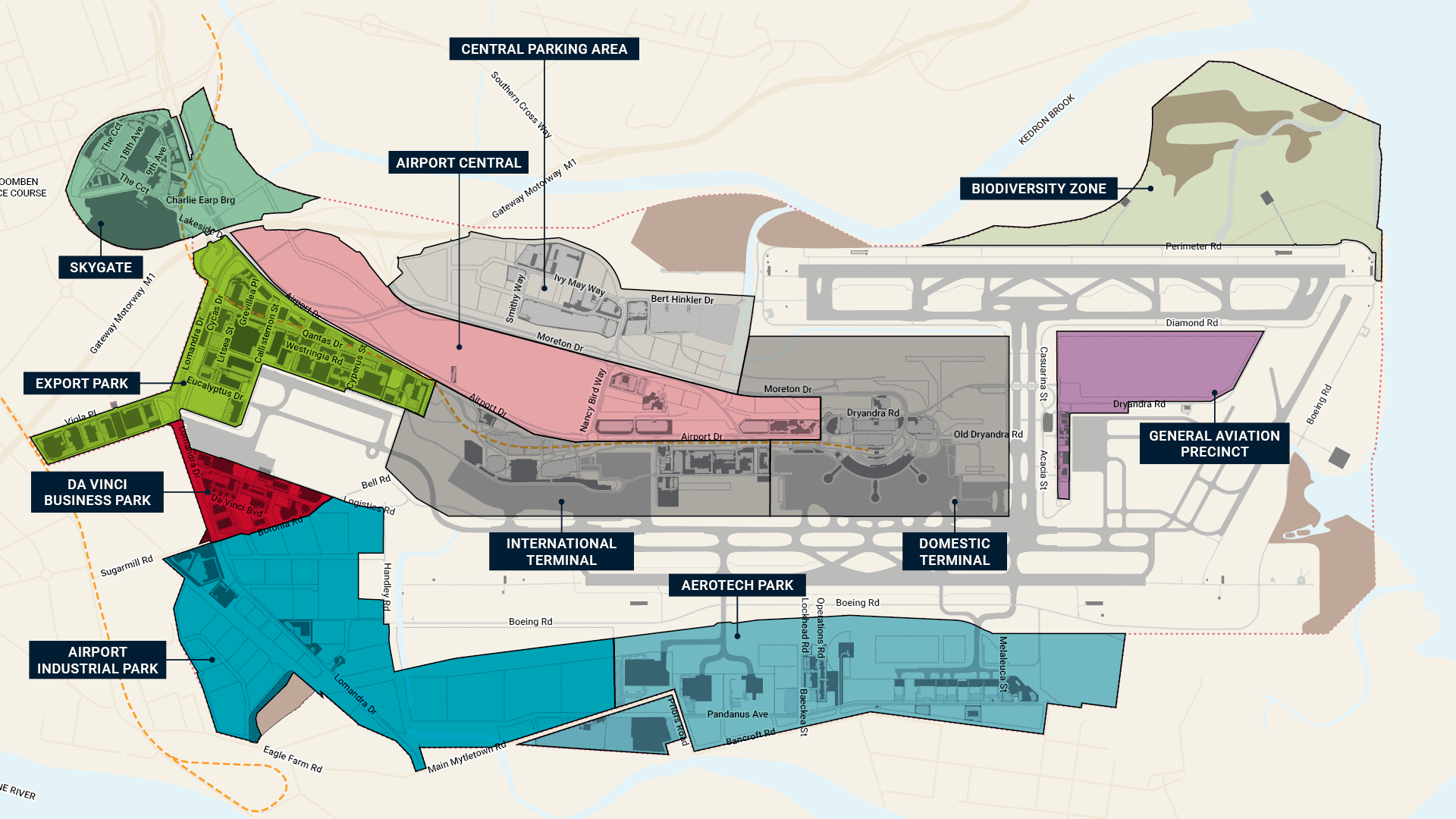
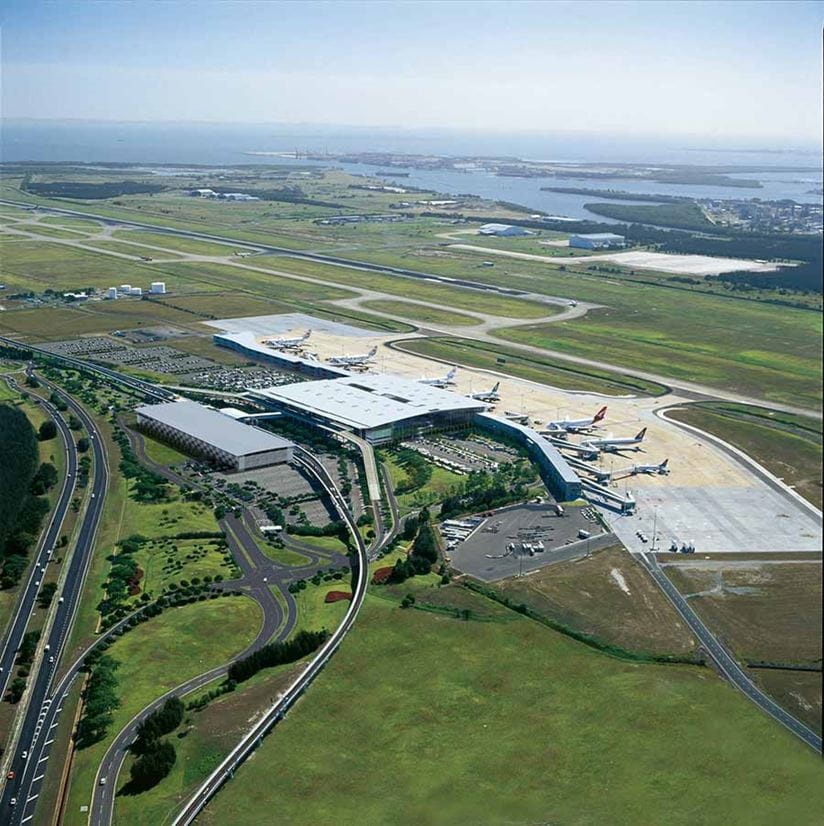
Aviation infrastructure plays a critical but often underestimated role in commercial property values.
Brisbane Airport’s continued expansion and connectivity upgrades strengthen the city’s position as a national and international business hub.
How airport infrastructure influences the CBD
Improved airport capacity and connectivity:
Attracts corporate head offices and national operators
Supports industries reliant on interstate and international travel
Increases demand for premium office and professional services
Enhances Brisbane’s competitiveness against Sydney and Melbourne
Commercial tenants increasingly factor travel efficiency into location decisions — particularly in professional services, consulting, education, and health sectors.
As Brisbane’s aviation infrastructure grows, CBD-based commercial property becomes more valuable as a gateway location.
Infrastructure as a Signal: Why Markets Move Early
One of the most important concepts for commercial owners to understand is this:
Property markets respond to infrastructure announcements long before completion.
Once funding is committed and construction begins:
Developers reassess site potential
Tenants plan future relocations
Investors price in long-term benefits
This often leads to:
Yield compression
Increased buyer competition
Earlier-than-expected value uplift
By the time infrastructure is finished, much of the value increase has already been absorbed.
Precinct Transformation & Mixed-Use Demand
Infrastructure does more than move people — it reshapes precincts.
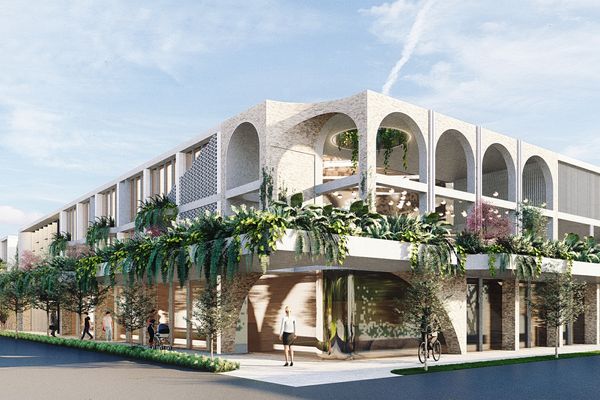
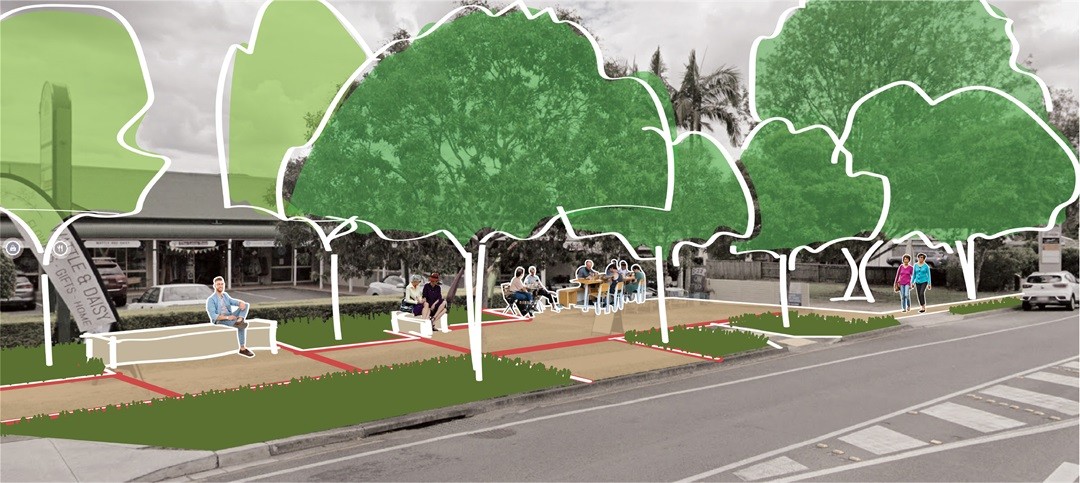
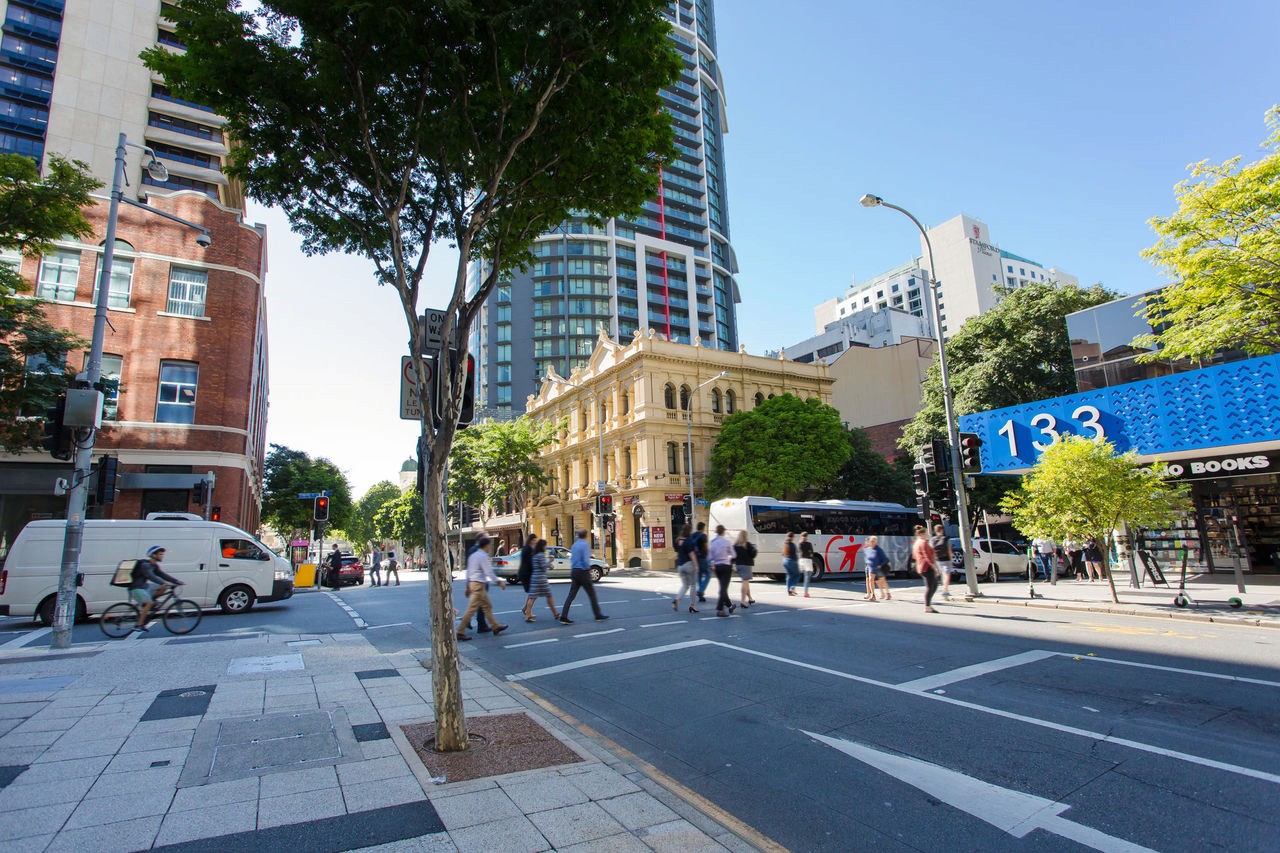
In Brisbane City, infrastructure investment is accelerating:
Mixed-use redevelopment
Commercial podium construction
Office-to-mixed-use repositioning
Activation of previously secondary streets
As precincts improve, commercial tenants increasingly seek:
Amenity-rich locations
Walkable environments
Access to dining, retail, and services
This benefits commercial assets that can adapt to changing tenant expectations, not just traditional office use.
BOTTOM SECTION – What This Means for Commercial Property Values

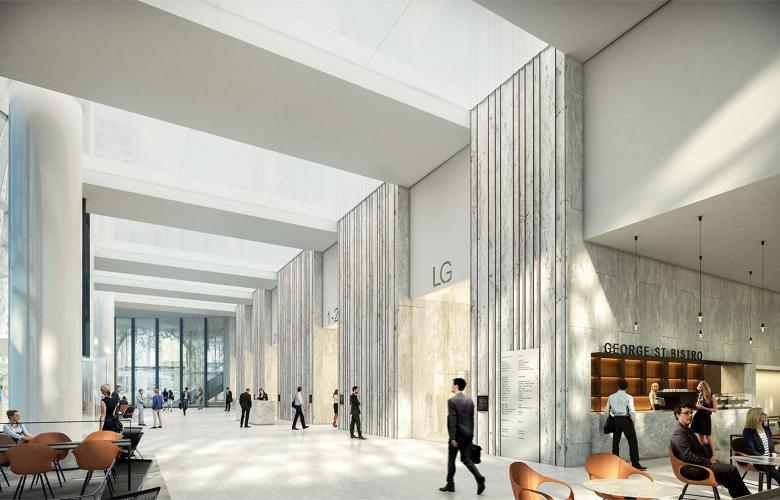
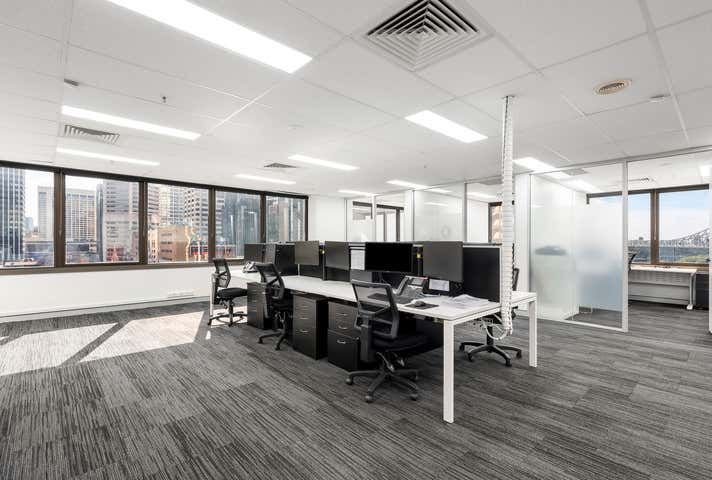
Across Brisbane City, infrastructure investment is driving several clear outcomes for commercial property owners:
1. Stronger Demand Near Infrastructure Nodes
Buildings close to rail, road, and transport hubs consistently outperform.
2. Improved Tenant Quality
Better access attracts higher-calibre tenants willing to commit long-term.
3. Higher Capital Values
Infrastructure reduces risk — and lower risk attracts more capital.
4. Increased Developer Interest
Sites near major infrastructure attract redevelopment and repositioning attention.
Should You Hold or Sell as Infrastructure Rolls Out?
For commercial owners, infrastructure creates both opportunity and decision points.
Selling may make sense if:
Your asset has benefited from early uplift
Future upgrades or capital expenditure are looming
Developer interest is emerging
Buyer competition has increased pricing
Holding may suit owners who:
Have long leases with strong tenants
Are positioned close to completed infrastructure
Benefit from rising rents and reduced vacancy risk
The key is understanding where your property sits in the infrastructure cycle.
Selling Commercial Property in Brisbane City?
If you’re considering selling a commercial property or development site in Brisbane City — or anywhere across Brisbane and the Gold Coast corridor — Norton’s Real Estate specialises in infrastructure-driven commercial sales.
We help owners understand:
how infrastructure is impacting their asset
who the likely buyer is (investor vs developer)
whether value is income-driven or future-driven
how to time and structure a sale for maximum leverage
No hype. Just clear, commercial advice.
Disclaimer
This article is general information only and does not constitute financial, legal, or property advice. Buyers and sellers should obtain independent advice and conduct their own due diligence. Infrastructure timelines, planning outcomes, and market conditions may change without notice.