Is It the Right Time to Sell Your Commercial Property in Arundel?
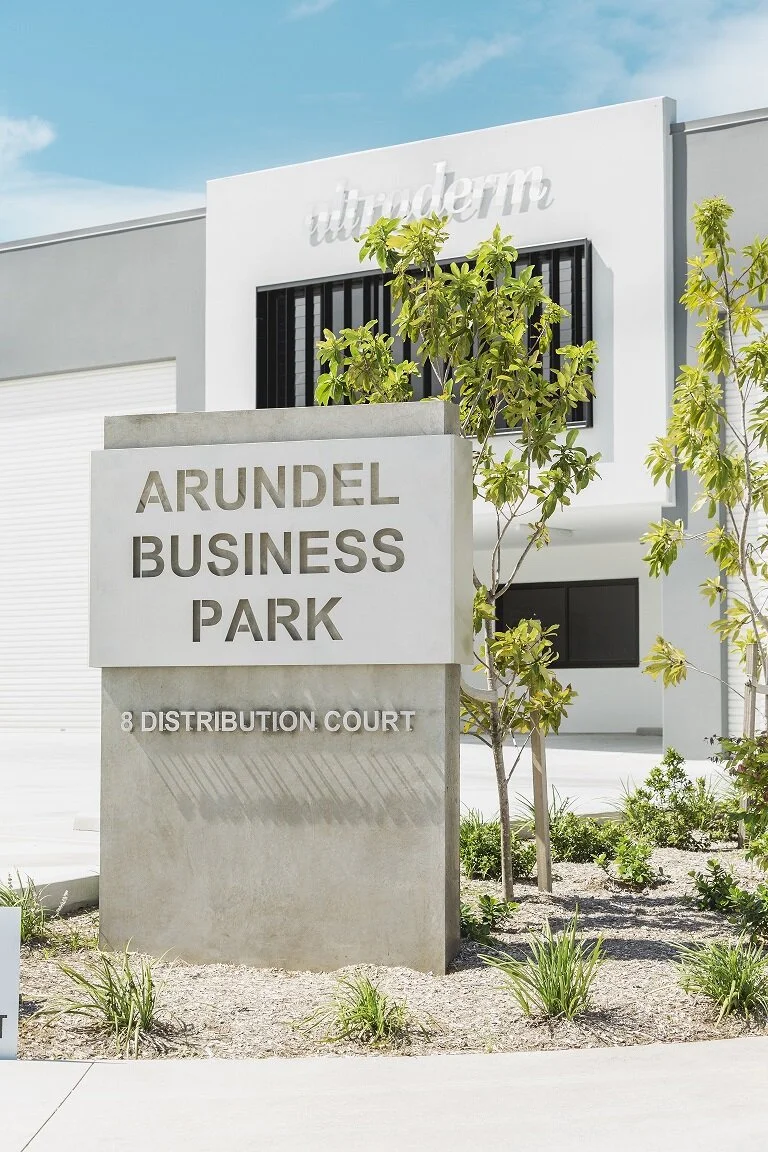
Is It the Right Time to Sell Your Commercial Property in Arundel?
Owning commercial property in Arundel puts you in a practical, high-demand pocket of the Gold Coast. Arundel tends to attract steady tenant demand across service businesses, small offices, and trade-style uses—largely because it’s central, accessible, and supported by surrounding residential catchments.
But the real question for most owners is still:
Should you sell now, or wait?
In commercial property, the “right time” usually comes down to three clear factors:
Market trends (buyer demand + competing stock)
Property performance (income + risk profile)
Interest rates (borrowing power + buyer confidence)
Here’s a plain-English way to work through the decision.
1) Market trends: is demand strong for your type of asset?
Commercial markets don’t move as one. Even within Arundel, demand can be strong for some property types and softer for others.
Buyer interest is typically strongest when the property is:
easy to access (roads, parking, visibility)
easy to understand (clear lease/outgoings)
low risk (stable tenant, minimal surprises)
Before you decide to sell, check the on-the-ground signals:
Are similar properties selling quickly, or sitting and discounting?
Are buyers asking for the lease, outgoings, and net return (real buyers), or just browsing?
Is there tight stock in your category, or plenty of alternatives?
If enquiry is consistent and competing stock is limited, it can be a strong window to sell—especially if your property is well positioned and well presented.
2) Property performance: what buyers judge first
Commercial buyers don’t buy emotion. They buy income and certainty.
Before deciding whether to sell now or wait, review the fundamentals buyers will assess immediately:
Lease term & options: How long is left? Any breaks? Renewals due soon?
Tenant quality: Stable business? Good payment history?
Rent position: At market, under market (upside), or above market (risk)?
Outgoings: Are they clearly documented and recoverable where appropriate?
Vacancy risk: If the tenant left, how hard is it to re-lease locally?
Capital works: Any known costs coming soon (roof, air con, compliance, paving) that buyers will discount?
If your asset is well leased and clean on paper, you’re usually selling from strength. If you’re approaching lease expiry or known capital works, waiting can sometimes add risk—because buyers price those issues in.

3) Interest rates: why they affect pricing and buyer behaviour
Interest rates matter in commercial property because they influence:
how much buyers can borrow
what return (yield) investors require
how conservative lenders become about short leases or weaker tenants
In higher-rate or uncertain-rate conditions, buyers don’t stop buying—they get more selective. That’s why properties that sell best usually have:
strong lease structure (or a clear, finance-friendly story)
tidy numbers (rent and outgoings clearly presented)
realistic pricing from day one
In other words: the market rewards clarity and certainty.
Sell now or wait: a simple decision test
Instead of guessing, ask:
Will holding for the next 6–18 months clearly improve value—or simply add risk?
Selling may make sense now if:
you’re selling a strong lease/income story today
you want to unlock equity for another opportunity
the property no longer fits your long-term plan
you’d rather exit before vacancy risk or major works become an issue
Waiting may make sense if:
you can realistically improve the value soon (lease renewal, tidying outgoings, small upgrades that remove buyer objections)
the asset is performing strongly and risk is low
And for your SEO phrases: many owners still think like residential—“accept first offer or wait” like a first offer selling house scenario. In commercial, the smarter focus is whether the lease strength, income certainty, and risk profile are at their best today, and whether waiting actually improves those fundamentals.
Call to action
Thinking about selling in Arundel?
Speak with Norton’s Real Estate first to understand current buyer demand, pricing strategy, and how to achieve the strongest possible result.
Disclaimer
This article is general information only and does not constitute financial, legal, or investment advice. Commercial property outcomes depend on your individual circumstances, lease terms, tenant strength, property condition, and market conditions at the time. You should obtain independent professional advice before making any decision to sell, hold, or restructure a commercial property asset.