Is It the Right Time to Sell Your Commercial Property in Runaway Bay?

Is It the Right Time to Sell Your Commercial Property in Runaway Bay?
If you own commercial property in Runaway Bay, the timing question usually comes down to one thing:
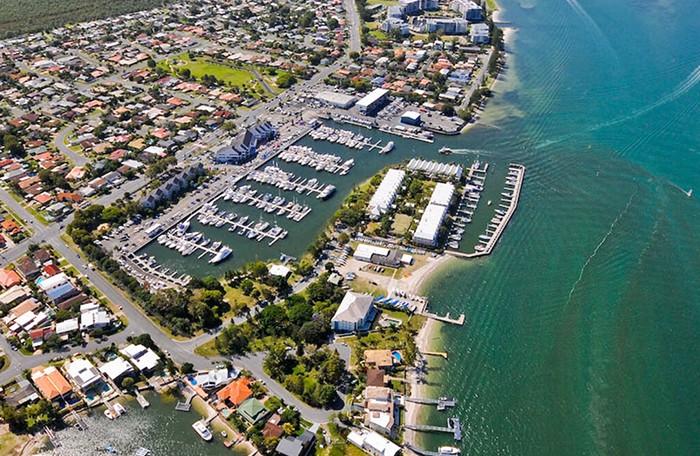
Runaway Bay is different to many inland commercial pockets. It has a coastal, owner-occupier feel, a steady residential catchment, and demand driven by lifestyle services (medical, allied health, cafés, convenience retail, marine/boating-adjacent trades and services). That can support consistent buyer interest — but buyers will still judge your asset on fundamentals.
Here are the key factors to consider when deciding whether to sell now or wait.
1) Market trends: what’s driving buyer demand locally?
Commercial buyers in Runaway Bay tend to fall into two groups:
Investors chasing stable income (especially if leases are strong)
Owner-occupiers who want location, parking, and a manageable footprint
Your timing improves when:
there’s limited competing stock in your asset type (strata shops, small freestanding, local strip retail, medical suites)
enquiry is coming from real buyers asking for leases and outgoings, not just “what’s the price?”
the suburb’s lifestyle appeal is translating into solid tenant retention (low vacancy risk is a big plus)
A common mistake is “testing the market” without a plan. In smaller, tightly held areas like Runaway Bay, buyers compare hard and move fast on the best-presented opportunities — but they ignore listings that feel vague or overpriced.
2) Property performance: the numbers matter more than the postcode
In commercial property, buyers don’t buy the paint colour — they buy the income stream and the risk profile.
Before deciding to sell, look at what your property is telling the market right now:
Lease strength: How long is left on the lease(s)? Any break clauses? Options?
Tenant quality: Are they stable, established, and paying reliably?
Rent position: Is the rent at market, under market (upside), or above market (risk)?
Outgoings clarity: Are they clean, documented, and recoverable where appropriate?
Vacancy risk: If the tenant left, how hard would it be to replace them locally?
Capital works: Any known near-term spend (A/C, roof, compliance, carpark) that buyers will discount?
If your asset is well-leased, low-maintenance, and “easy to understand,” you’re usually selling from strength. If you’re heading toward lease expiry or major works, waiting can sometimes add risk because buyers will price those issues in.

3) Interest rates: why they affect what buyers will pay
Interest rates influence commercial sales in two direct ways:
Borrowing power – what buyers can fund and how conservative lenders are
Yield expectations – what return investors require for the level of risk
When rates are higher or uncertain, buyers don’t disappear — they become more selective. They prefer:
stronger leases
clearer outgoings
fewer “unknown costs”
pricing that makes sense from day one
So the question isn’t “Are rates up or down?” It’s: does your property present as low-risk and finance-friendly right now?
4) Sell now or wait: a simple decision test
Instead of guessing the market, ask:
Will holding for the next 6–18 months clearly improve the property’s value — or simply add risk?
Selling may make sense now if:
your lease profile is strong and you can sell certainty
you want to unlock equity for another opportunity
the property no longer fits your long-term plan
you’d rather exit before vacancies or capex become an issue
Waiting may make sense if:
you can realistically improve value soon (renew a lease, tidy outgoings, complete minor works that remove buyer objections)
the asset is performing strongly and you’re comfortable holding
And to naturally cover your SEO terms: owners often think like residential — “accept first offer or wait” or “first offer selling house.” In commercial, the smarter focus is whether your lease strength and risk profile will attract the right buyer pool — and whether waiting actually improves those fundamentals.
Call to action
Thinking about selling in Runaway Bay?
Speak with Norton’s Real Estate first to understand current buyer demand, pricing strategy, and how to achieve the strongest possible result.
Disclaimer
This article is general information only and does not constitute financial, legal, or investment advice. Commercial property outcomes depend on your individual circumstances, lease terms, tenant strength, property condition, and market conditions at the time. You should obtain independent professional advice before making any decision to sell, hold, or restructure a commercial property asset.