Rent vs Sell: When Does Selling Your Pacific Pines Home Make Sense
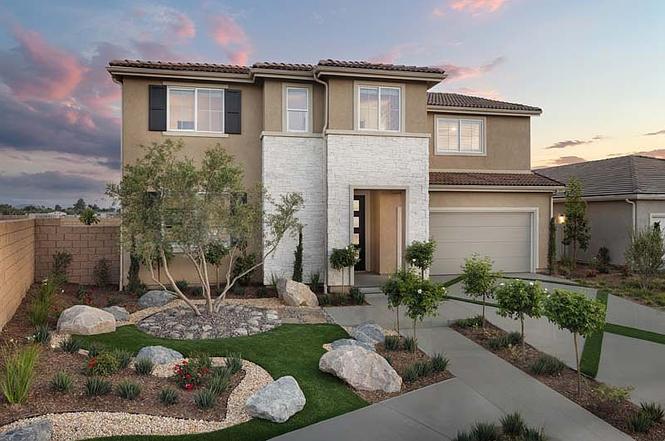
Rent vs Sell: When Does Selling Your Pacific Pines Home Make Sense?
Owning property in Pacific Pines means you’re part of one of the Gold Coast’s most established, family-driven residential markets. Pacific Pines isn’t a new estate and it isn’t a prestige waterfront suburb—it sits in that valuable middle ground where schools, space, and everyday liveability drive long-term demand.
That’s exactly why many Pacific Pines owners eventually ask the same practical question:
Should I keep renting my home out, or does selling now make more sense?
This article takes a Pacific Pines–specific approach, different from coastal, CBD, or high-growth corridor suburbs. It focuses on family demand, supply maturity, equity use, and real-world decision-making—written in plain English and grounded in how this suburb actually behaves.
Why Pacific Pines Is a Mature Family Market
Pacific Pines has been established for a long time, which matters. Unlike newer suburbs still absorbing supply, Pacific Pines offers:
Multiple school options (public and private)
Strong owner-occupier presence
Predominantly detached family homes
Easy access to Helensvale, Oxenford, and the M1
Because of this, demand here is consistent rather than speculative. People move to Pacific Pines to live, not just to invest. That stability shapes the rent-versus-sell decision more than market hype ever will.
Median Property Prices in Pacific Pines
Based on current market indicators, Pacific Pines sits firmly in the Gold Coast’s mid-to-upper family bracket:
Median house price: approximately $900,000 – $1.05M
Median unit / townhouse price: approximately $620,000 – $700,000
Houses dominate buyer demand, especially:
Four-bedroom family homes
Properties in school catchments
Homes with usable yards and multiple living areas
Units and townhouses form a smaller share of the market and are usually aimed at:
First-home buyers
Downsizers staying local
Long-term renters
The Case for Renting in Pacific Pines
Renting can still make sense in Pacific Pines—particularly in the short to medium term.
1. Reliable Family Rental Demand
Pacific Pines attracts:
Families waiting to buy locally
Professionals working across the northern Gold Coast
Long-term tenants prioritising schools and stability
Rental demand is generally steady and less seasonal than beachside suburbs.
2. Practical, Easy-to-Lease Housing Stock
Most homes in Pacific Pines are:
Functional and family-friendly
Modernised or well maintained
Appealing to long-term tenants
This supports lower vacancy risk when rent is set correctly.
3. Holding While Life Transitions
Some owners rent while:
Planning to upsize or downsize
Relocating temporarily
Waiting for children to finish school
In these cases, renting works as a holding strategy, not necessarily a long-term plan.
Where Renting Starts to Lose Its Advantage
This is where many Pacific Pines owners begin to reassess.
Capital Efficiency
Pacific Pines has delivered solid growth over the years. Renting may mean:
Equity is sitting idle
Growth has already been captured
Other opportunities are being delayed
At a certain point, holding becomes comfortable—but not optimal.
Maintenance on Family Homes
Larger family homes come with:
Ongoing maintenance
Insurance increases
Wear and tear over time
As costs rise, the net benefit of renting can narrow.
Limited Future Supply Upside
Pacific Pines is largely built out. While that supports stability, it also means:
Future growth may be steadier rather than sharp
Rental increases may track wages, not surge
For some owners, this is the moment selling becomes more attractive.
When Selling Your Pacific Pines Home Makes Sense
For many owners, selling becomes the more strategic move when these factors align.
1. You’ve Already Had Solid Capital Growth
If your Pacific Pines home has appreciated well, selling allows you to:
Lock in gains
Reduce exposure to rising holding costs
Reposition capital for your next move
In mature suburbs, banking growth can be a smart decision.
2. Buyer Demand Is Strong for Family Homes
Right now, buyers are actively seeking:
Move-in-ready family houses
Homes close to schools and parks
Affordable alternatives to Robina and coastal suburbs
If your home fits this profile, selling can be competitive and clean.
3. You Want Certainty
Selling provides:
A defined financial outcome
No landlord responsibilities
Freedom from ongoing maintenance and tenant management
For many families, certainty outweighs ongoing rental income.
Houses vs Units: Different Decisions in Pacific Pines
Selling a House
Houses are Pacific Pines’ core asset. Selling often makes sense if:
Your home suits families
Maintenance or upgrades are approaching
Buyer demand is strong in your pocket
Correct pricing and presentation make a significant difference.
Selling a Unit or Townhouse
Townhouses are more price-sensitive. Selling is often preferable when:
Buyer demand is currently active
Rental yield is flattening
You want to simplify your portfolio
Timing matters more here than with detached homes.
A Simple Pacific Pines Decision Check
Ask yourself:
Has my property already delivered most of its growth?
Is rental income keeping pace with rising costs?
Would selling now improve my financial or lifestyle flexibility?
If selling answers “yes” more often than renting, it’s time to properly explore your options.
Why Execution Matters in Pacific Pines
Pacific Pines is not a one-size-fits-all suburb. Outcomes depend heavily on:
Street and school zoning
Property condition and layout
Pricing strategy and buyer targeting
A well-executed sale can significantly outperform a passive “hold and hope” approach.
Selling in Pacific Pines with Norton’s Real Estate
At Norton’s Real Estate, we specialise in family-driven Gold Coast suburbs like Pacific Pines and understand how to position them correctly.
We provide:
Honest, suburb-specific appraisals
Clear rent-vs-sell comparisons
Targeted marketing for family buyers
Professional negotiation from start to finish
📞 Speak with Norton’s Real Estate
Final Thoughts
Pacific Pines rewards steady ownership and smart exits. The rent-versus-sell decision here isn’t about chasing peaks—it’s about recognising when your property has done its job and deciding what comes next.
The best results come from choosing deliberately, with a clear suburb-specific strategy—not by default.
Disclaimer
This article is general information only and does not constitute financial, legal, or property advice. Market conditions, prices, rental returns, and buyer demand can change at any time. All price ranges are approximate and provided as a guide only. You should seek independent professional advice and obtain a current market appraisal before deciding to rent or sell your property.