Rent vs Sell: When Does Selling Your Robina Home Make Sense
Rent vs Sell: When Does Selling Your Robina Home Make Sense?
Owning property in Robina puts you in one of the Gold Coast’s most balanced and resilient property markets. Robina isn’t flashy or speculative—it’s practical, liveable, and heavily driven by owner-occupiers, families, professionals, and long-term residents.
That stability is exactly why many Robina owners reach a crossroads and ask:
Should I rent my home out, or does it make more sense to sell now?
This article breaks that decision down clearly, using plain English, real-world considerations, and market logic—without hype. We’ll look at prices, rental realities, equity, lifestyle factors, and the situations where selling in Robina genuinely stacks up better than holding.
Why Robina Behaves Differently to Other Gold Coast Suburbs
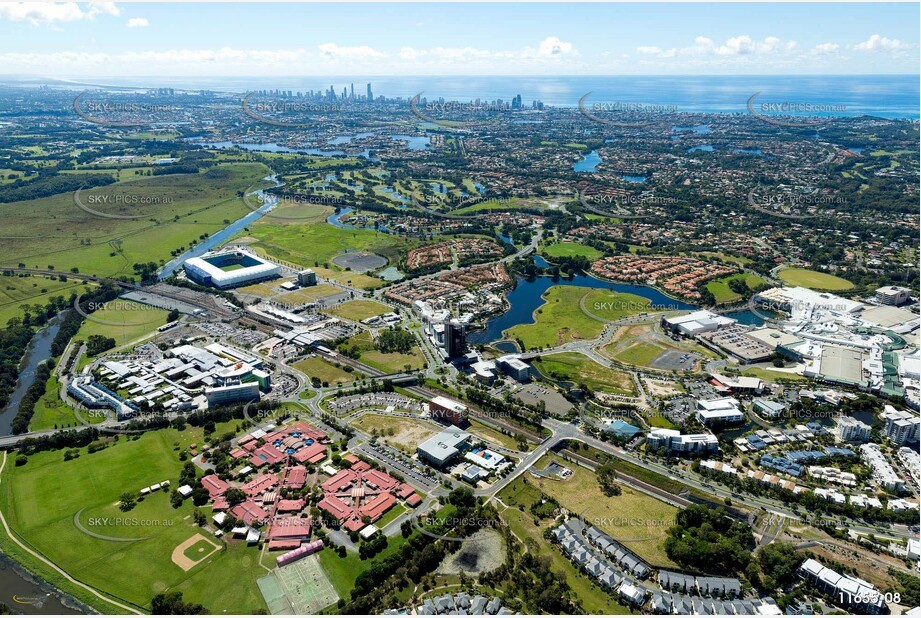
Robina isn’t a holiday suburb or a CBD-style high-rise market. It’s a planned residential hub, built around:
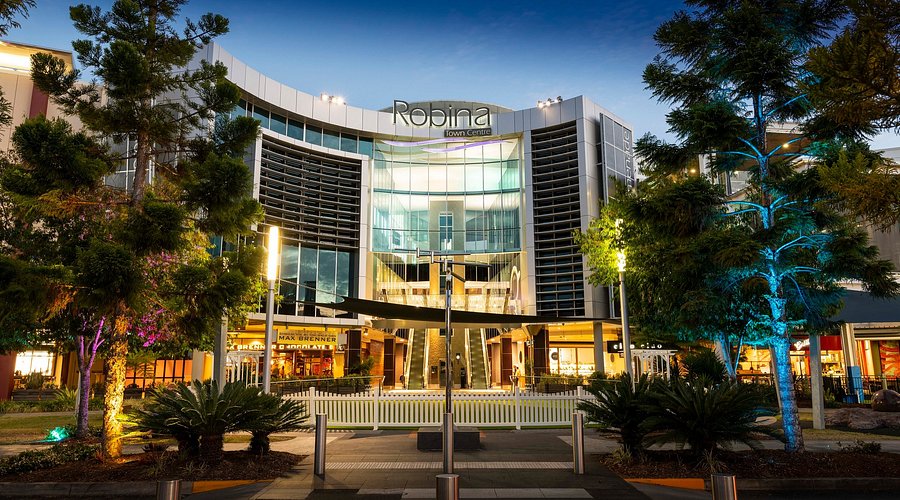
Robina Town Centre
Robina Hospital & health precinct
Bond University
Train station and motorway access
Established school catchments
This creates consistent demand, both from renters and buyers, and makes Robina far less volatile than many coastal or investor-heavy suburbs.
That consistency is great—but it also means owners need to be more strategic when deciding whether to rent or sell.
Median Property Prices in Robina
Based on current market indicators, Robina sits in a strong mid-to-upper tier of the Gold Coast market:
Median house price: approximately $1.05M – $1.20M
Median unit / townhouse price: approximately $700,000 – $780,000
Houses dominate buyer demand, particularly:
Four-bedroom family homes
Properties in school catchments
Homes close to shops, parks, and transport
Units and townhouses perform well when they’re modern, low-maintenance, and positioned toward owner-occupiers rather than investors.
The Case for Renting Your Robina Property
Renting can still make sense in Robina under the right circumstances.
1. Reliable Tenant Demand
Robina attracts:
Hospital and health workers
University staff and students
Families relocating within the Gold Coast
Professionals seeking long-term rentals
Vacancy rates are generally low for well-presented homes and townhouses.
2. Lower Volatility
Robina rentals are less affected by tourism cycles or seasonal fluctuations, making income more predictable than beachside suburbs.
3. Long-Term Hold Strategy
If your property is in a strong school catchment or tightly held pocket, renting may suit owners planning to:
Move back later
Upsize or downsize within Robina
Hold for generational or long-term value
When Renting Starts to Make Less Sense
This is where many Robina owners reassess.
Rising Holding Costs
Even with solid rent, owners still face:
Interest rate pressure
Insurance increases
Maintenance and ageing homes
Land tax (for investors)
Over time, these costs can quietly eat into returns—especially if rental growth doesn’t keep pace.
Equity Sitting Idle
Many Robina owners have built significant equity over the last decade. Renting may mean:
Capital is under-utilised
Opportunities elsewhere are delayed
Financial flexibility is reduced
This is often the tipping point for selling.
Lifestyle Mismatch
If you no longer plan to live in Robina long-term, holding a rental property there may no longer align with your broader lifestyle or financial goals.
When Selling Your Robina Home Makes Sense
For many owners, selling becomes the smarter move when these conditions align.
1. You’ve Had the Growth
Robina has already delivered strong, steady capital growth. Selling can allow you to:
Lock in gains
Avoid relying on slower future growth
Reposition financially
This is particularly relevant for owners who purchased before Robina matured as a suburb.
2. Buyer Demand Is Strong for Your Home Type
Right now, buyers are actively seeking:
Family homes close to schools
Low-maintenance modern houses
Townhouses suited to downsizers
If your property fits this profile, selling can produce a clean, competitive outcome.
3. You Want Certainty
Selling provides:
A defined financial result
No exposure to rising costs
Freedom from ongoing management
For many owners, certainty outweighs rental income—especially during life transitions.
Houses vs Units: Different Decisions in Robina
Selling a House in Robina
Houses are the backbone of the suburb and attract strong owner-occupier demand. Selling often makes sense if:
Your home suits families
You’re in a premium pocket or school zone
Maintenance or upgrades are looming
Scarcity and consistency support solid buyer interest.
Selling a Unit or Townhouse
Units and townhouses require sharper pricing. Selling is often preferable when:
Rental yield is modest
Buyer demand is stronger than investor demand
The property suits downsizers or first-home buyers
Presentation is critical in this segment.

A Simple Decision Test
Ask yourself:
Is the net rental return worth the equity tied up?
Would selling improve my flexibility or reduce stress?
Does my property match current Robina buyer demand?
If selling answers more “yes” responses than renting, it’s time to explore your options seriously.
Why Execution Matters More Than Rent vs Sell
In Robina, outcomes are driven less by timing the market and more by:
Accurate pricing
Professional presentation
Targeted buyer strategy
Skilled negotiation
A well-executed sale can outperform years of passive renting.
Selling in Robina with Norton’s Real Estate
At Norton’s Real Estate, we specialise in helping Robina owners make calm, informed decisions—not rushed ones.
We offer:
Honest, evidence-based appraisals
Clear rent-vs-sell comparisons
Tailored strategies for houses and townhouses
Professional negotiation and campaign management
📞 Speak with Norton’s Real Estate
Final Thoughts
Robina rewards patience—but it also rewards good timing. The right decision depends on your equity position, your future plans, and how your property fits today’s buyer demand.
What matters most is not defaulting to rent or sell—but choosing deliberately, with a clear strategy behind it.
Disclaimer
This article is general information only and does not constitute financial, legal, or property advice. Market conditions, prices, rental returns, and buyer demand can change at any time. All price ranges and examples are approximate and provided as a guide only. You should seek independent professional advice and obtain a current market appraisal before deciding to rent or sell your property.