Rent vs Sell: When Does Selling Your Sunnybank Home Make Sense

Rent vs Sell: When Does Selling Your Sunnybank Home Make Sense?
Owning property in Sunnybank places you in one of Brisbane’s most consistently high-demand and culturally significant housing markets. Sunnybank is not driven by short-term hype. It’s driven by family demand, school catchments, transport access, and long-term owner-occupier appeal.
That’s why many Sunnybank owners eventually ask a very practical question:
Should I keep renting my Sunnybank property, or does selling now make more sense?
This guide takes a Sunnybank-specific view of that decision. It’s written in plain English and focuses on real outcomes—prices, rental dynamics, equity use, and buyer behaviour—so you can decide what actually works for your situation.
Why Sunnybank Is a Stand-Out Brisbane Market
Sunnybank behaves differently to many Brisbane suburbs because demand is deep, diverse, and durable. It’s underpinned by:
Strong family and multigenerational ownership
Highly regarded schools and catchments
Established shopping and dining precincts
Excellent public transport and arterial road access
Unlike investor-heavy areas, Sunnybank has a high owner-occupier ratio, which tends to support price stability and resilience across market cycles.
This makes the rent-versus-sell decision less about volatility—and more about capital strategy and timing.
Median Property Prices in Sunnybank
Based on current market indicators, Sunnybank sits firmly in Brisbane’s upper residential tier:
Median house price: approximately $1.25M – $1.45M
Median unit / townhouse price: approximately $680,000 – $780,000
Detached houses dominate buyer demand, particularly:
Large family homes
Properties on generous blocks
Homes close to schools and shopping precincts
Units and townhouses form a smaller share of the market and are often favoured by downsizers, first-home buyers, and long-term renters.
The Case for Renting in Sunnybank
Renting can make sense in Sunnybank—especially for owners with long-term plans.
1. Strong, Reliable Rental Demand
Sunnybank attracts:
Families waiting to buy
Professionals and business owners
Long-term tenants who value location and schools
Well-presented homes lease consistently when priced correctly.
2. Multigenerational Living Appeal
Larger homes with multiple living areas are attractive to extended families, supporting longer tenancy periods and lower turnover.
3. Holding a Blue-Chip Suburban Asset
Some owners rent simply because:
They don’t need to sell
The property forms part of long-term wealth planning
They intend to return to the area later
In these cases, renting is a capital preservation strategy.
When Renting Starts to Make Less Sense
This is where many Sunnybank owners reassess.
Rising Ownership Costs
Even with strong rent, owners still face:
Interest rate pressure
Insurance increases
Maintenance on larger homes
Land tax (for investors)
Over time, net returns can flatten.
Capital Efficiency
Sunnybank homes often carry substantial equity. Renting may mean:
Capital is under-utilised
Other opportunities are delayed
Financial flexibility is reduced
This is a common trigger for selling.
Changing Family or Lifestyle Needs
If Sunnybank no longer aligns with your future plans—downsizing, relocating, or simplifying—holding a rental there may no longer make sense.
When Selling Your Sunnybank Home Makes Sense
For many owners, selling becomes the smarter move when these factors align.
1. You’ve Already Had Strong Growth
Sunnybank has delivered long-term appreciation. Selling allows you to:
Lock in gains
Reduce exposure to holding costs
Reposition capital for the next phase
This is especially relevant for owners who bought before Sunnybank’s major price acceleration.
2. Buyer Demand Is Strong for Your Property Type
Right now, buyers are actively seeking:
Family homes in school catchments
Large blocks with future potential
Well-maintained, established houses
If your property fits this profile, selling can be highly competitive.
3. You Want Certainty
Selling provides:
A defined financial outcome
Removal of landlord responsibilities
Freedom from future cost increases
For many owners, certainty outweighs rental income.
Houses vs Units: Different Calculations in Sunnybank
Selling a House
Houses are Sunnybank’s core asset class. Selling often makes sense if:
Land value has increased significantly
Maintenance or upgrades are looming
You want to capitalise on family buyer demand
Scarcity of quality homes supports strong outcomes.
Selling a Unit or Townhouse
Units and townhouses require sharper positioning. Selling is often preferable when:
Buyer demand is stronger than rental yield
The property suits downsizers or first-home buyers
You want to simplify your portfolio
Presentation plays a major role here.
A Simple Sunnybank Decision Framework
Ask yourself:
Is the rental income meaningful compared to the capital value?
Would selling improve my financial flexibility or lifestyle?
Does my property suit today’s Sunnybank buyer demand?
If selling answers “yes” more often than renting, it’s time to explore your options seriously.
Why Execution Matters More Than the Decision
In Sunnybank, results are driven less by market timing and more by:
Accurate pricing
Strong presentation
Targeted buyer marketing
Skilled negotiation
A well-executed sale can outperform years of passive renting.
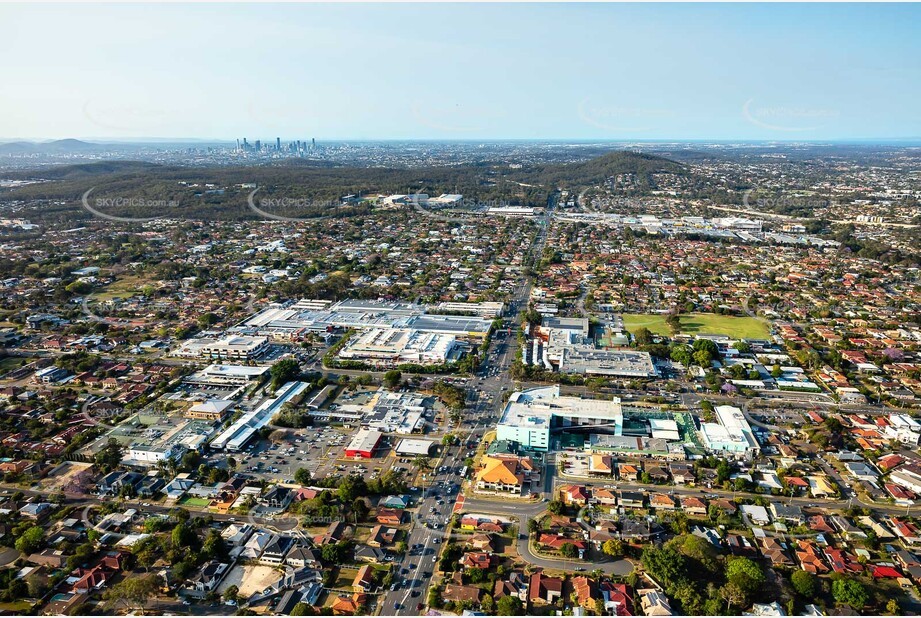
Selling in Sunnybank with Norton’s Real Estate
At Norton’s Real Estate, we help Sunnybank owners make clear, evidence-based decisions—not rushed ones.
We provide:
Honest market appraisals
Clear rent-vs-sell comparisons
Tailored strategies for family homes and townhouses
Professional negotiation and campaign management
📞 Speak with Norton’s Real Estate
Final Thoughts
Sunnybank rewards long-term ownership—but it also rewards smart exits. The right decision depends on your equity position, family plans, and how your property fits today’s buyer market.
The key is not defaulting to rent or sell—but choosing deliberately, with a clear strategy behind it.
Disclaimer
This article is general information only and does not constitute financial, legal, or property advice. Market conditions, prices, rental returns, buyer demand, and holding costs can change at any time. All price ranges and examples are approximate and provided as a guide only. You should seek independent professional advice and obtain a current market appraisal before deciding to rent or sell your property.