Top 10 Mistakes to Avoid When Selling Your Management Rights in Robina

Top 10 Mistakes to Avoid When Selling Your Management Rights in Robina
⚠️ Small mistakes can quietly erode value
📉 Poor preparation weakens price, leverage, and certainty
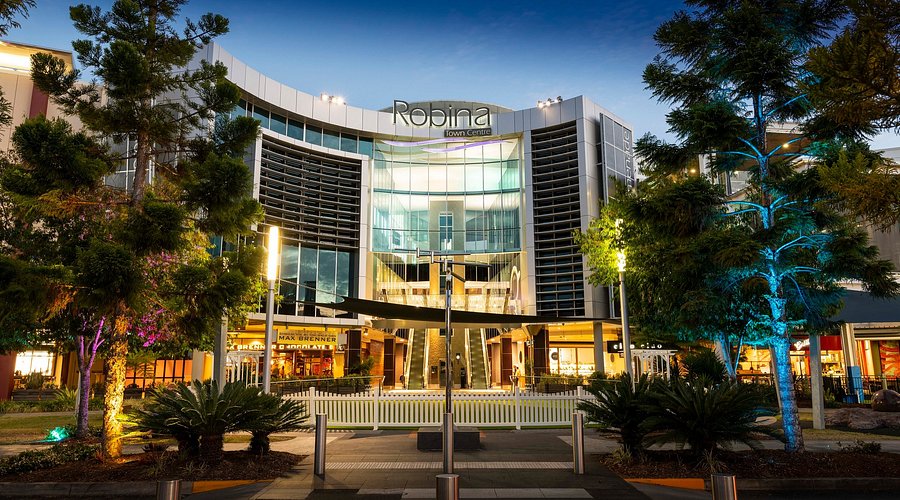
Selling management rights in Robina is a very different proposition to selling in tourism-heavy precincts. Robina is a master-planned, infrastructure-rich suburb anchored by hospitals, universities, offices, and permanent residential living. Buyers here are methodical, conservative, and finance-driven. They reward clarity and penalise uncertainty.
Many owners don’t lose value because the business is weak—they lose value because they make avoidable mistakes before and during the sale process. Below are the Top 10 mistakes to avoid when selling your management rights in Robina, and how steering clear of them can protect your price and your peace of mind.
1. Going to Market Without Your Financials Fully Ready
This is the most common—and most expensive—mistake.
Robina buyers expect:
Clean, reconciled financials (2–3 years)
Clear separation of caretaking vs letting income
Conservative, well-documented add-backs
If numbers are unclear, buyers immediately price in risk—or disengage.
Avoid it by:
Preparing bank-ready financials before marketing, aligned with BAS, tax returns, and bank statements.
2. Overpricing Based on Hope Instead of Evidence
Robina buyers are not emotional. They are analytical.
Overpricing leads to:
Longer time on market
Reduced buyer urgency
Harder renegotiation later
In Robina, buyers know the comparables and the multiples.
Avoid it by:
Pricing based on verified net operating profit, current demand, and realistic Robina evidence—not expectations.
3. Assuming Every Enquiry Is a Real Buyer
Not all buyers are equal.
Some:
Can’t secure conservative finance
Don’t understand permanent-letting models
Won’t pass body corporate approval
Letting the wrong buyer through due diligence wastes time and momentum.
Avoid it by:
Properly qualifying buyers early—financially, operationally, and culturally for the building.
4. Underestimating Body Corporate Influence
Robina body corporates are often governance-focused and experienced, particularly in larger, newer complexes.
Common missteps:
Poor timing of communication
Not preparing buyers for approval interviews
Surprising committees late
This can delay—or derail—the sale.
Avoid it by:
Managing the process discreetly and ensuring buyers are professional, prepared, and suitable.

5. Treating Due Diligence as a Formality
Due diligence in Robina is thorough.
Buyers will scrutinise:
Income sustainability
Staffing and contractor costs
Governance history and compliance
Agreement terms and workload
If sellers are unprepared, deals unravel quickly.
Avoid it by:
Preparing documents early, anticipating questions, and being transparent from day one.
6. Mixing Personal Expenses Through the Business
A major red flag for buyers and lenders.
Common issues:
Personal vehicles
Family wages not market-aligned
Private travel or lifestyle costs
Even legitimate add-backs look risky if poorly presented.
Avoid it by:
Cleaning up expense categories well before sale and documenting conservative add-backs clearly.
7. Ignoring Conservative Finance Reality
A buyer without finance approval is not a buyer.
Robina lenders are cautious—especially with:
Tight margins
Larger staffing models
Newer buildings with strict governance
Many deals fail because finance fails, not because price fails.
Avoid it by:
Ensuring financials and agreements align with current lending criteria before going to market.
8. Overselling “Upside” Instead of Proven Performance
Robina buyers don’t pay for ideas; they pay for proven numbers.
Phrases like:
“It could make more if…”
“There’s potential to…”
carry little weight unless already in the financials.
Avoid it by:
Letting the numbers do the heavy lifting and positioning upside as optional—not foundational to value.
9. Letting Negotiations Become Personal
Selling management rights is emotional—but negotiations must stay commercial.
Common mistakes:
Taking buyer questions personally
Defending history instead of explaining structure
Reacting emotionally to offers
This weakens leverage.
Avoid it by:
Using an experienced agent to buffer negotiations and keep discussions objective and strategic.
10. Rushing the Sale Without a Clear Strategy
Trying to “just get it done” often results in:
Poor buyer selection
Weak contract terms
Unnecessary discounts
In Robina, rushed sales almost always cost money.
Avoid it by:
Building a structured strategy that balances price, timing, discretion, and buyer quality.
Why Robina Requires a Specialist Approach
Robina is not a forgiving market. Buyers are sharp, lenders are conservative, and body corporates are involved.
Avoiding the mistakes above requires:
Accurate pricing
Clean financial presentation
Strong buyer qualification
Strategic negotiation
Professional process management
Thinking of Selling Management Rights in Robina?
If you own management rights in Robina and are considering selling—now or in the future—avoiding these mistakes can be the difference between a smooth, premium sale and a stressful, discounted one.
Speak with Norton’s for a confidential discussion.
Disclaimer
This information is provided as a general guide only and does not constitute financial, legal, or professional advice. Management rights transactions are complex and vary depending on individual circumstances, agreements, financial structures, and regulatory requirements. Interested parties should make their own enquiries and seek independent professional advice before proceeding.