What Are the Emerging Commercial Development Hotspots in Fortitude Valley
What Are the Emerging Commercial Development Hotspots in Fortitude Valley – and Why Are Investors Paying Attention?
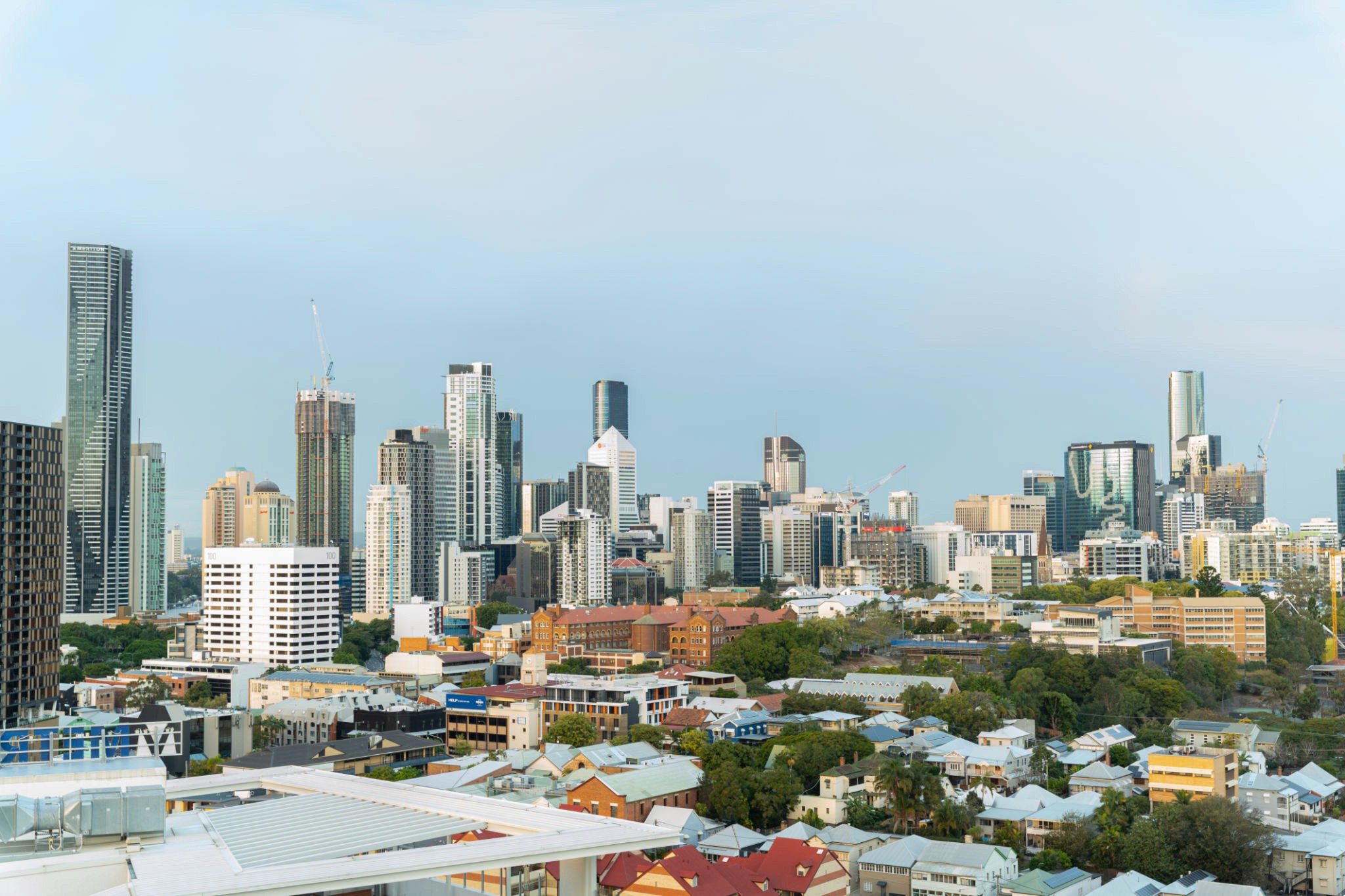
Fortitude Valley has evolved well beyond its reputation as Brisbane’s nightlife district. In 2026, it stands as one of the most closely watched inner-city commercial and mixed-use markets in Queensland.
Driven by transport connectivity, rezoning outcomes, residential density, and a growing knowledge-based workforce, Fortitude Valley has become a strategic commercial precinct rather than a fringe alternative to the CBD.
For investors and developers, the Valley’s appeal lies in adaptability: office, retail, hospitality, residential, and creative uses increasingly overlap, creating multiple layers of demand within compact urban pockets.
This article explores the emerging commercial development hotspots in Fortitude Valley, and explains why sophisticated capital is paying close attention.
Why Fortitude Valley Is Attracting Commercial Capital
Unlike traditional CBDs, Fortitude Valley’s growth is not anchored to a single sector. Its commercial strength comes from diversification:
Heavy rail and multiple transport nodes
Proximity to Brisbane CBD without CBD pricing
High residential density supporting daily services
Creative, tech, and professional services demand
Strong planning support for mixed-use outcomes
This has created a precinct where commercial flexibility is valued as highly as income security.
TOP SECTION – Valley Core & Brunswick Street Spine
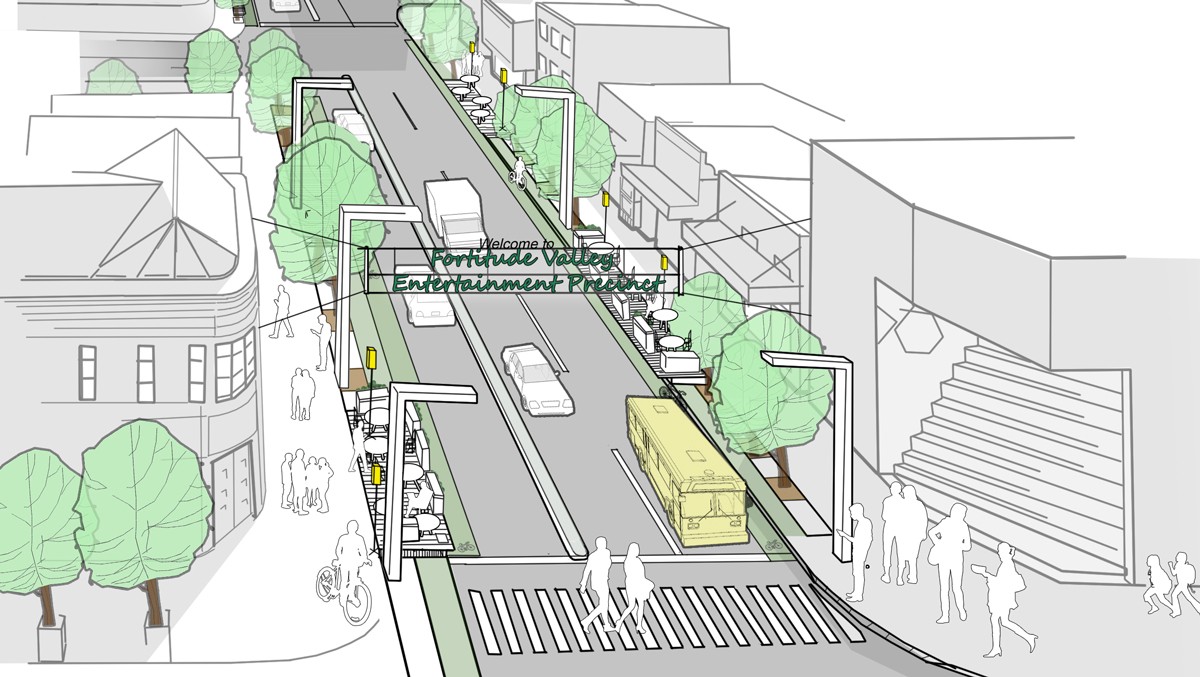
The Brunswick Street spine remains the Valley’s most recognisable commercial corridor, but its function has matured significantly.
What was once predominantly hospitality-driven is now supporting:
Daytime retail and service operators
Boutique office and studio spaces
Health, wellness, and professional services
Food and beverage anchored to residential demand
Investors are targeting assets with:
Ground-floor commercial exposure
Upper-level office or mixed-use flexibility
Repositioning potential rather than pure yield
This area rewards well-curated tenant mix and properties that can operate across day and night trading cycles.
Mixed-Use Transition Zones & Urban Infill Sites
One of Fortitude Valley’s strongest investment themes is the transition from single-use buildings to integrated mixed-use developments.
Former warehouse and light-industrial stock is being reassessed for:
Commercial podiums beneath residential towers
Creative office conversions
Hybrid retail–office–hospitality assets
These sites appeal to developers because:
Entry pricing is often lower than the CBD
Planning frameworks encourage density and activation
End-user demand spans multiple sectors
Well-located infill sites now attract interest from both yield-focused investors and development-driven buyers, increasing competitive tension.
MID SECTION – Transport-Oriented Commercial Nodes
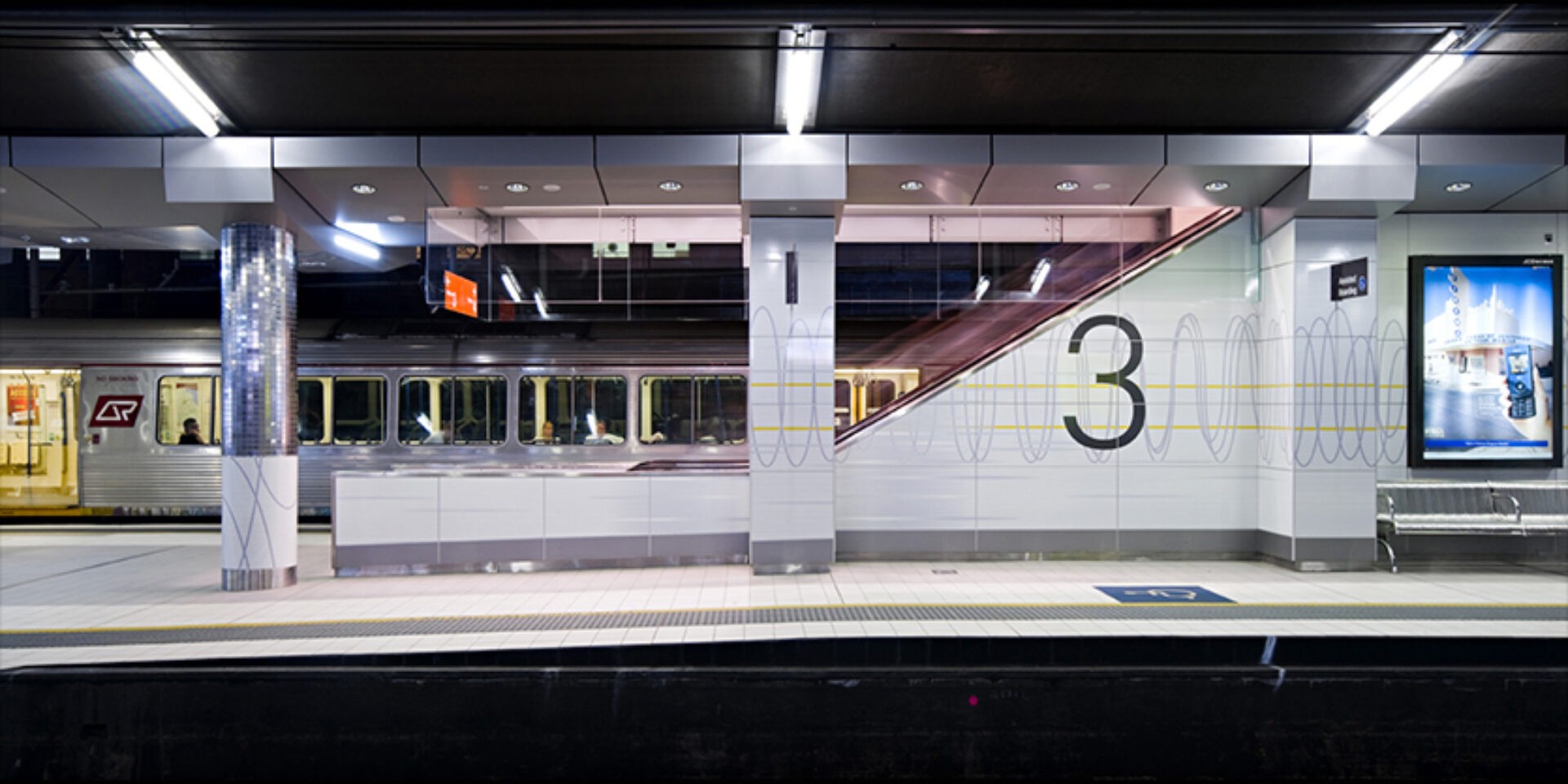
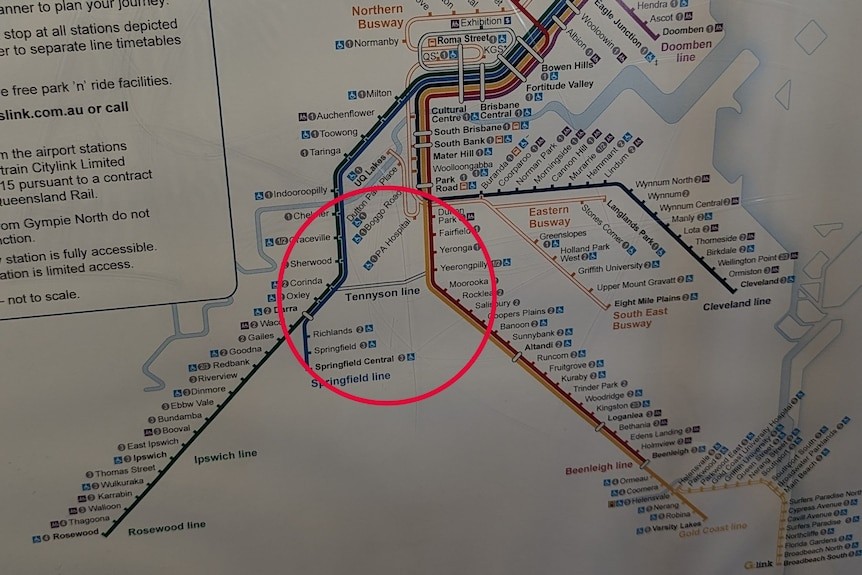
Transport access is one of Fortitude Valley’s greatest commercial strengths. The suburb is anchored by a major rail station and supported by strong bus and active transport links.
Commercial assets within walking distance of transport nodes consistently attract:
Professional services
Education and training providers
Medical and allied health
Technology and creative firms
For investors, this translates to:
Broader tenant appeal
Higher occupancy resilience
Stronger lease retention
Transport-adjacent commercial buildings in the Valley are increasingly viewed as core holdings, not secondary assets.
Knowledge Economy, Creative & Professional Demand
Fortitude Valley has become a hub for knowledge-based and creative industries, which value flexibility, proximity, and amenity over traditional corporate prestige.
Tenant demand is growing from:
Technology and digital firms
Architecture, design, and creative studios
Education and training organisations
Consulting and professional services
These occupiers prioritise:
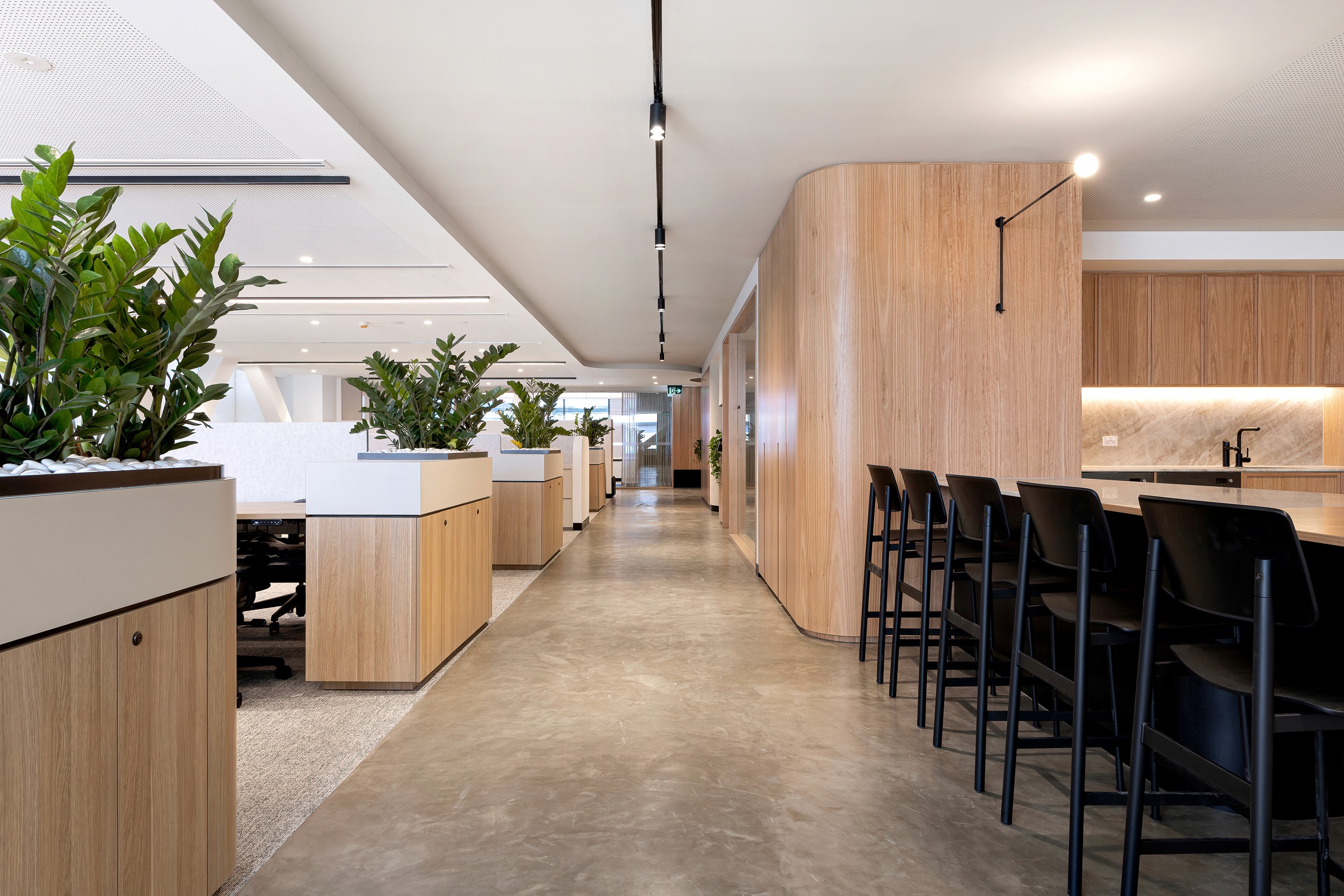
Character buildings with modern upgrades
Flexible floorplates
Access to cafés, gyms, and lifestyle amenities
For commercial owners, this creates opportunity to reposition older stock to meet evolving tenant expectations.
Ageing Commercial Stock: Repositioning as a Core Strategy
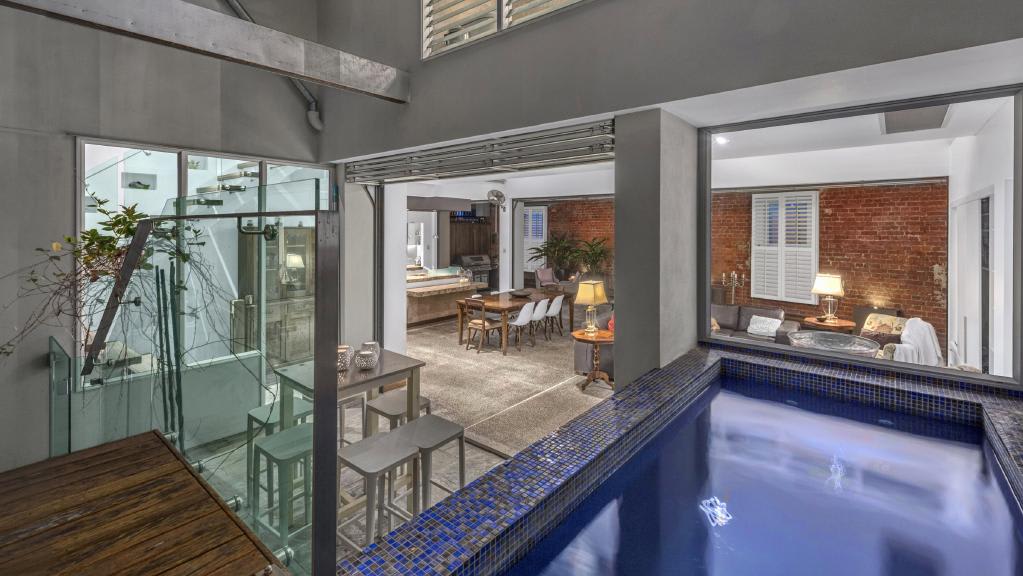
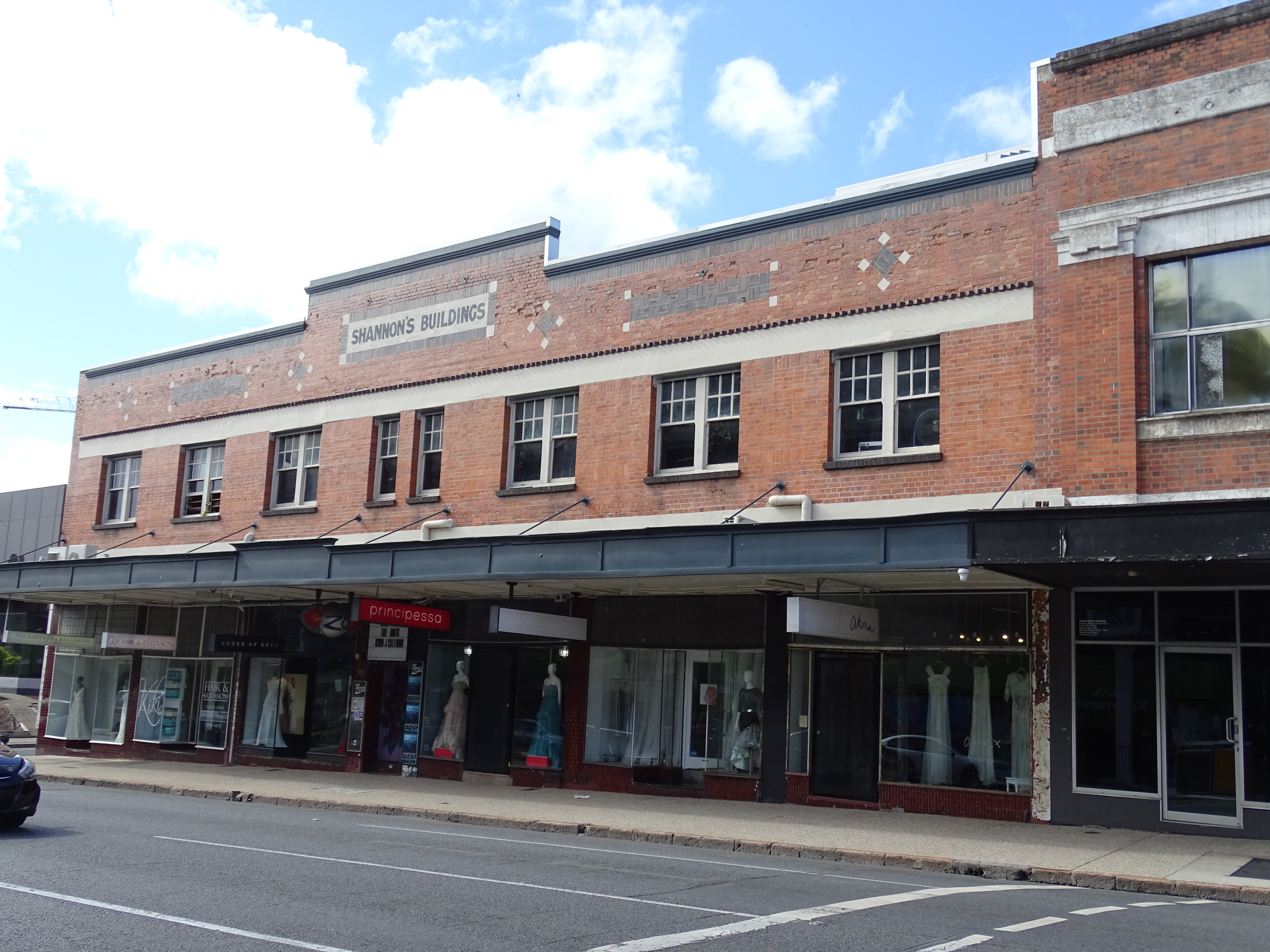
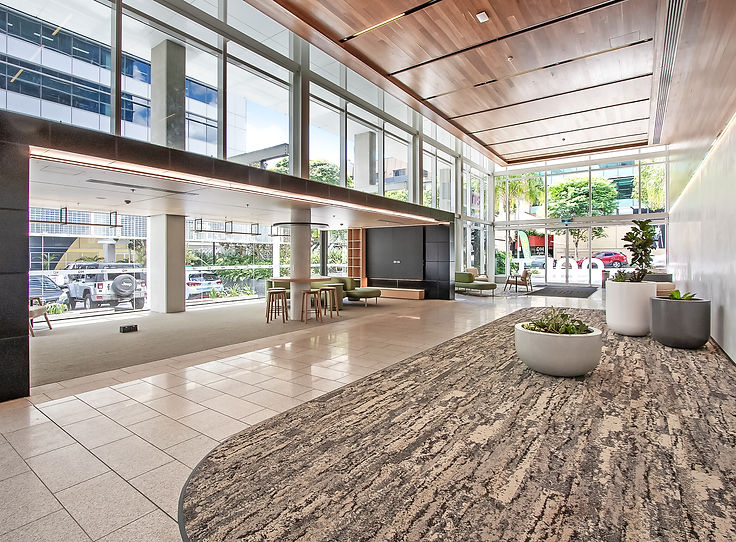
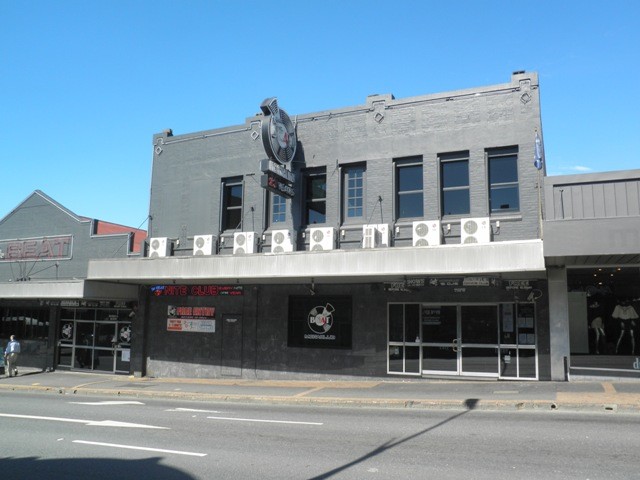
A defining feature of Fortitude Valley is the volume of ageing but well-located commercial buildings.
Rather than full demolition, many investors and developers are pursuing:
Façade upgrades
Internal refurbishment
End-of-trip facilities
Re-tenanting with stronger covenants
This value-add approach often delivers:
Improved net income
Stronger tenant profiles
Enhanced exit appeal
In a high-cost construction environment, adaptive reuse has become one of the Valley’s most attractive commercial strategies.
BOTTOM SECTION – What Investors Are Looking for Right Now
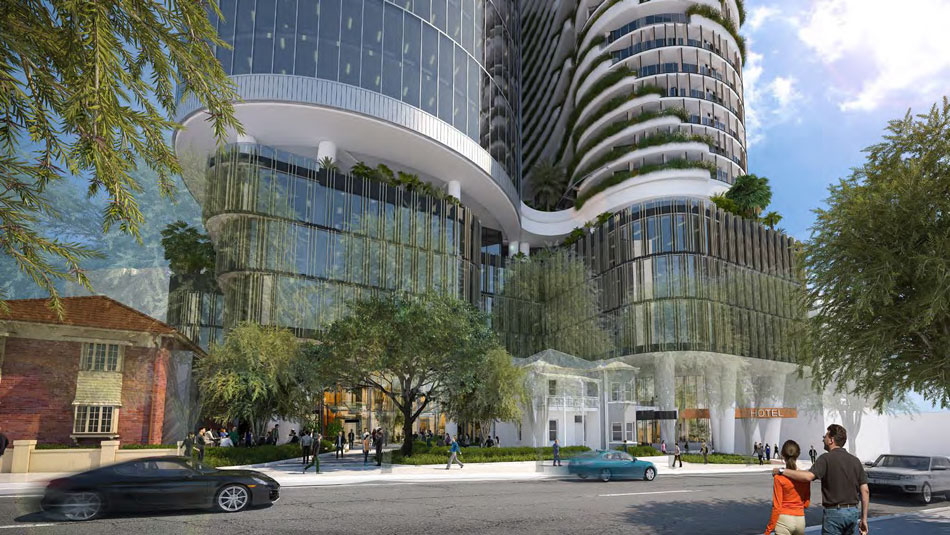
Across Fortitude Valley, active commercial buyers are focused on four key fundamentals:
Income resilience
Tenant quality and lease structure matter more than headline rent.
Micro-location
Proximity to transport, amenity, and residential density drives demand.
Flexibility
Assets that can adapt to different uses attract deeper buyer pools.
Future potential
Repositioning, refurbishment, or mixed-use capability enhances value.
What This Means for Commercial Property Owners
If you own commercial property in Fortitude Valley, emerging hotspot dynamics directly influence:
Buyer type (investor vs developer vs owner-occupier)
Pricing tension and competition
Marketing strategy and campaign design
Importance of lease clarity and presentation
Properties with a clear commercial narrative consistently outperform generic listings.
Selling Commercial Property in Fortitude Valley?
If you’re considering selling a commercial property or development site in Fortitude Valley—or anywhere across Brisbane and the Gold Coast corridor—Norton’s Real Estate specialises in commercial and development-focused sales.
We provide clear, practical advice on:
who your real buyer is
whether value is income-driven or future-driven
how to structure a campaign to maximise leverage
No pressure. Just straight answers.
Disclaimer
This article is general information only and does not constitute financial, legal, or property advice. Buyers and sellers should obtain independent advice and conduct their own due diligence. Market conditions, planning controls, and values may change without notice.