2026 Outlook: Commercial Real Estate in Robina
2026 Outlook: Commercial Real Estate in Robina (Office, Retail & Industrial)
Robina has matured into one of the Gold Coast’s most “complete” commercial nodes: major retail draw (Robina Town Centre), strong professional-services and health presence, and excellent transport connectivity to the M1 and rail. For owners, 2025 is less about “is there demand?” and more about “what kind of demand, at what price, and what’s my best move—sell, hold, or reposition?”
Across the broader Gold Coast, the story heading into and through 2025 has been tight vacancy in quality stock, limited new supply, and improving sentiment as borrowing costs eased. In FY24–25 commentary, Kollosche noted A-grade office vacancy under 5% across the Gold Coast, with prime precincts including Robina described as even tighter, pushing rents higher and reducing incentives.
CBRE’s February 2025 commentary also pointed to record-low A-grade vacancy on the Gold Coast (~2%) and reported Robina/Varsity Lakes vacancy below 5%, with limited options continuing to support rental growth.
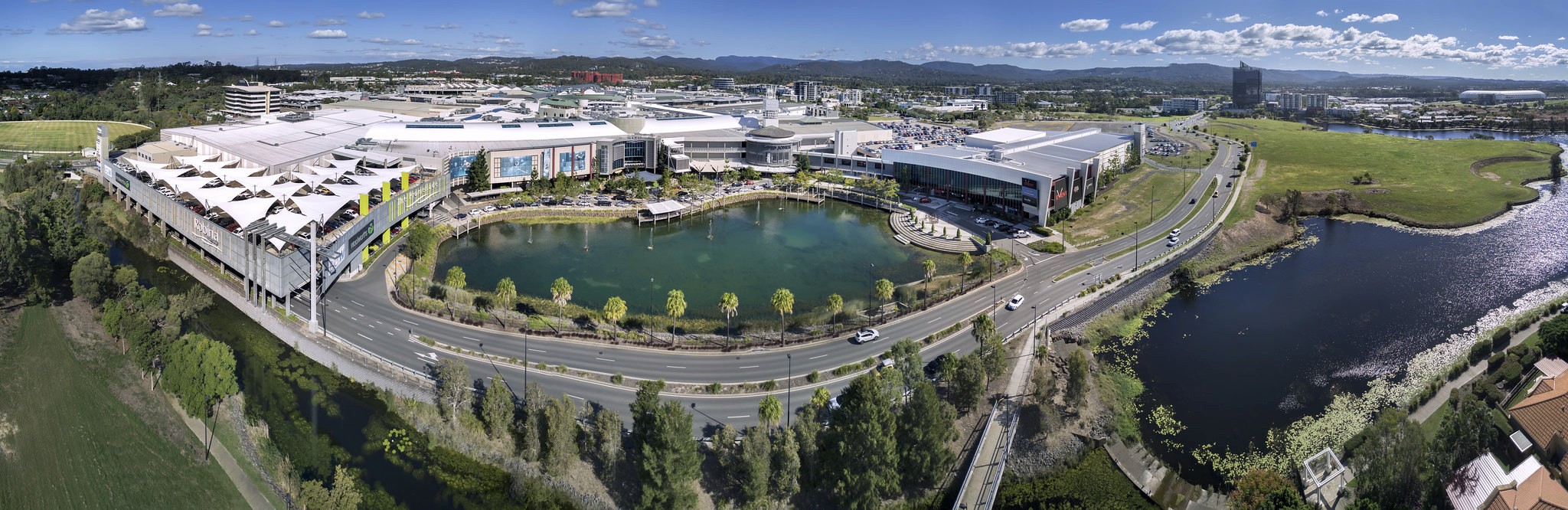
Meanwhile, Robina Town Centre’s performance has reinforced the precinct’s retail gravity: it has been reported as hitting $1bn in annual retail sales turnover, drawing 13+ million customers annually, with a stated pipeline/ambition around surrounding mixed-use land.
So what does that mean for your asset in 2025?
The 2026 “decision lens” for Robina owners
Before breaking it down by sector, here’s the core lens investors and buyers tend to apply in a market like Robina:
Income security
Lease term, tenant covenant, rent review structure, market rent vs passing rent, make-good obligations.Re-leasing risk
Vacancy in your micro-pocket, your building’s competitiveness (parking, lift/core, exposure, signage, compliance, services, end-of-trip).Capex and compliance
Upcoming works (roof/HVAC/lifts/fire services/accessibility), body corporate obligations (if strata), and insurance cost impacts.Value-add angle
Can the next buyer lift income via refurbishment, re-leasing, repositioning, or DA upside?Liquidity
Would your property attract multiple buyer types (private investors, owner-occupiers, syndicates, developers), or only a narrow pool?
In 2025, properties that tick (1) + (5) are the easiest to sell well. Assets heavy on (3) + (4) can still sell—but the buyer will price the risk and capex hard.
Offices in Robina: 2026 forecast (hold-positive, selectivity rising)
What we know going into 2026
Gold Coast office conditions were widely described as tight at the A-grade end, with vacancy under 5% and prime precincts (including Robina) tighter again, supporting rent growth and reduced incentives.
CBRE reported A-grade vacancy on the Gold Coast at ~2% (record low) and indicated the Robina/Varsity Lakes precinct was below 5%, with lack of suitable options limiting tenant movement and contributing to rental growth.
What that typically means in practice (in Robina)
Good offices lease faster (or renew more easily) than average, if they’re genuinely competitive: natural light, modern presentation, strong parking ratios, easy access, and fit-out quality.
Tenants become less tolerant of “tired” stock, especially where they can justify a small rent premium for better amenity and staff experience.
Incentives tend to compress in tighter markets—but only for good stock. Secondary offices may still need meaningful incentives.
2026 outlook call: “Two-speed office market”
Likely winners (hold or sell from strength):
Modern suites/buildings, medical/professional tenants, strong parking, lift access, signage exposure, and flexible floorplates.
Long WALE (or strong renewals) with annual reviews and market reviews.
Likely laggards (sell only with a plan):
Older strata offices with dated lobbies, weak parking, poor lifts, tired services, or awkward configurations.
Short WALE with looming vacancy risk and no refurbishment budget.
Sell vs hold guidance for Robina office owners
Consider selling in 2025 if:
You have a strong lease (or renewed lease) and can sell into confidence while vacancy is tight.
You’re facing major capex (HVAC, lifts, compliance) and would rather exit than fund it.
Your tenant quality is strong and buyer appetite exists for stable income.
Consider holding (or refinancing and improving) if:
Your rent is below market and reviews can capture growth.
You can do light capex (paint/carpet/LED/foyer refresh/end-of-trip) that meaningfully improves leasing outcomes.
Retail in Robina: 2026 forecast (stable-to-positive, convenience and service-led strongest)
Retail in Robina is anchored by one of the most productive assets in the country (Town Centre) and the surrounding ecosystem that feeds off it—service retail, medical, allied health, food, and lifestyle operators.
The anchor effect matters
Robina Town Centre has been reported as reaching $1bn in retail sales turnover and drawing 13+ million customers annually, with ongoing evolution and mixed-use ambition in surrounding land.
That sort of throughput generally supports:
stronger specialty tenant demand,
resilience for well-positioned neighbourhood/service retail,
better long-term leasing depth than smaller, disconnected strips.
2026 retail themes that matter for owners
Convenience and “needs-based” stays strong
Medical, allied health, food, beauty, fitness, and daily-service tenants tend to be sticky—especially if parking and access are easy.Experiential and food operators stay selective
They’ll pay for the right pitch, but they’re ruthless about visibility, foot traffic, and landlord fit-out contributions.Mix shifts toward services
Even large centres have been highlighting broader service mixes (health, salons, government services, offices).
Sell vs hold guidance for Robina retail owners
Consider selling in 2025 if:
Your tenant is strong and your lease is clean (good reviews, options, make-good clarity).
You’ve got a “blue-chip” style location (exposure + parking + a defensible catchment).
Consider holding if:
Your tenancy mix is durable (services/convenience) and rent growth is still available through reviews.
Your asset benefits from spillover trade or planned precinct improvements tied to broader growth.
Proceed carefully if:
Your retail is discretionary-focused, low visibility, or suffers access constraints. You may need a leasing reset or incentive strategy before a premium sale is realistic.
Industrial (and trade-style) around Robina: 2026 forecast (demand still strong, pricing disciplined)
Robina itself isn’t the Gold Coast’s biggest industrial precinct, but owners often hold:
trade units / service industrial,
small warehouses,
hybrid “industrial-business” strata,
storage-style assets that benefit from household and population growth.
Market signal: demand has outrun supply
Kollosche’s FY24–25 wrap described industrial demand outpacing supply and cited rent growth in sub-5,000 sqm spaces (from roughly $120–$130/sqm up to $170–$180/sqm) and prime yields hovering ~5.5% to 6.5%, with undersupply in major submarkets.
Even if your property is not in those exact submarkets, this is the broader tide that often lifts:
tradie bays,
last-mile service space,
small format owner-occupier stock.
2026 industrial themes owners should watch
Owner-occupiers remain important
If your asset suits an owner-occupier, your buyer pool expands and your sale can be less yield-sensitive.Function beats beauty
Clearance, roller door access, hardstand/parking, truck access, power, and layout matter more than finishes.Insurance and outgoings get scrutinised
Buyers will drill into outgoings recoverability, strata sinking funds (if applicable), and rebuild risk.
Sell vs hold guidance for industrial owners
Consider selling in 2025 if:
Your rent has moved up and you can show strong demand (multiple enquiries, low vacancy comps).
You’re holding a clean, simple asset (low capex, strong access, broad tenant appeal).
Consider holding if:
You’re still materially below market rent and have reviews coming.
Your land/asset has future upside (reconfiguration, expansion, or a better tenant mix).
The “Sell or Hold” scorecard (fast self-check)
If you answer “yes” to most in either column, you’ve got your likely move.
Sell-leaning in 2026
I have a strong lease (or can secure one before sale).
My asset is low capex for the next buyer.
My property appeals to multiple buyer types (investor + owner-occupier + value-add).
I want to redeploy capital (another purchase, development, debt reduction).
I’d rather exit before major works/uncertainty hits.
Hold-leaning in 2026
I’m confident I can re-lease quickly (or renew).
I have rent growth still to capture (reviews, re-leasing at higher market rent).
I can do small improvements that lift value more than they cost.
My asset benefits from precinct strength (Robina’s continuing growth and catchment depth).
What buyers will pay a premium for in Robina (2025 reality)
Regardless of sector, premium pricing in 2026 tends to follow the same rule:
Clarity + quality + story.
That means:
Clean leases and clear outgoings recoveries
Evidence-based rent positioning (market comparisons)
Maintenance and compliance in good order
A believable growth narrative tied to the precinct’s strength (office tightness; retail gravity; industrial undersupply)
How Norton’s Real Estate can help you win (sell or hold)
At Norton’s Real Estate, we don’t just “list and hope.” We build a buyer-grade narrative with the right campaign structure:
Pricing + timing strategy based on comparable evidence and buyer appetite
Targeted buyer outreach (investor, owner-occupier, developer where relevant)
Deal structuring to remove friction (lease/assignment clarity, due diligence pack, capex disclosure, strata docs)
Marketing that fits the asset (and the likely buyer pool), not generic fluff
If you want to know whether 2026 is your moment to sell—or a year to hold and reposition—let’s do a straightforward, numbers-first conversation.
Call Norton’s Real Estate to arrange a confidential commercial appraisal in Robina, or message us with:
address
property type (office/retail/industrial)
lease details (if any)
your goal (sell now / sell later / hold)
We’ll come back with a clear recommendation and a practical plan.
Disclaimer
This article is general information only and does not constitute legal, financial, tax, or investment advice. Market conditions can change quickly and vary by specific asset, location, tenancy profile, and building condition. Readers should make their own enquiries and obtain independent professional advice before buying, selling, leasing, or making investment decisions. All figures and commentary are indicative only and sourced from third-party market commentary and publications where cited.