Broadbeach Commercial Market Update (2026)
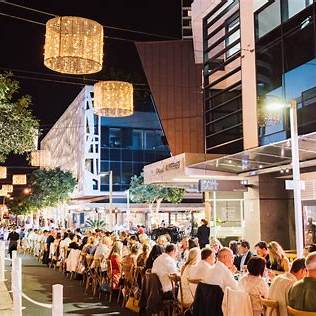
Broadbeach Commercial Market Update (2026): Rents, Yields, Demand & What’s Moving Right Now
Broadbeach has matured into one of the Gold Coast’s most resilient commercial pockets: a tight, walkable hub anchored by Pacific Fair, The Star entertainment precinct, and the Gold Coast Convention & Exhibition Centre—all stitched together by the G:link light rail spine and a constant inflow of residents, tourists, and event-driven foot traffic. That mix is exactly why Broadbeach often behaves differently to broader “Gold Coast averages”: it’s less dependent on a single industry and more supported by experience-led retail, medical/allied services, hospitality, and boutique office suites.
Below is an on-the-ground, investor-and-seller focused update on what’s happening across rents, yields, buyer demand, and leasing conditions—and what it means if you’re considering selling a commercial asset, strata suite, or mixed-use holding in Broadbeach.
📍 Why Broadbeach is punching above its weight
Three structural drivers keep demand comparatively sticky:
Visitor economy + event engine: Broadbeach benefits from major venue activity and year-round tourism momentum. Recent Gold Coast visitor reporting highlights strong expenditure and business visitation growth (useful context for hospitality and service-based leasing demand).
Population growth and higher spending power: Ongoing population growth supports local services and everyday retail demand (and reduces “dead months” outside peak holiday periods).
Transport-led accessibility: The light rail corridor concentrates foot traffic and makes Broadbeach easier to service for staff and customers—an advantage that flows through to tenancy demand.
Seller takeaway: When you position Broadbeach correctly, you’re not selling “a shop” or “an office” — you’re selling income supported by multiple demand streams (locals + visitors + events + connectivity).
🏬 Retail & Hospitality: prime strips stay tight, secondary stock needs sharper pricing
What we’re seeing in Broadbeach retail
Broadbeach retail is best understood as two markets:
Experience-led, high-footfall pockets (Oracle Boulevard, precinct-adjacent tenancies, event/entertainment catchments)
Everything else (secondary lanes, older arcades, awkward layouts, limited exposure)
Across lifestyle-oriented precincts nationally, premium retail has been achieving very high rent benchmarks, reflecting demand for the best-positioned space. While Broadbeach-specific published rent series can be patchy, the direction of travel is consistent: prime stays competitive, while secondary space becomes more sensitive to fit-out cost, frontage, and lease term.
Leasing conditions (practical reality)
Best spaces: quicker leasing, less incentive, stronger tenant quality
Challenged spaces: longer decision cycles; tenants ask harder questions (outgoings, access, signage, grease trap/venting, fit-out contribution)
✅ If you’re selling a retail asset: the fastest way to improve buyer confidence is to present a clean leasing story:
current passing rent vs market rationale
lease term + options
tenant category strength (food, service, medical, essential)
outgoings clarity and any capex already completed
🏢 Office & Professional Suites: “flight to quality” is real—especially for small-format space
Office markets across Australia continue to show a split between prime and non-prime space, with vacancy dynamics often driven by quality and amenity. The Property Council’s latest national commentary reflects this “prime chase” behaviour even as headline vacancy shifts.
On the Gold Coast, A-grade availability has been reported as tight, and Broadbeach is repeatedly called out as one of the tighter precincts—supporting firmer rents and reduced incentives for quality stock.
What tenants want in Broadbeach offices right now
Broadbeach office demand is typically strongest for:
medical and allied health (visibility + parking + accessibility)
professional services (walkability, client convenience, amenity)
boutique consulting (smaller suites, good presentation)
Preference stack (in order):
modern presentation + natural light
easy access (lift, parking, tram proximity)
sensible outgoings and body corporate disclosure
flexible fit-out potential
What this means for yields
Yields for office assets are heavily shaped by lease strength, building quality, and tenant covenant. Queensland office yield commentary commonly shows a broad range depending on grade and location. In Broadbeach specifically, buyers typically price:
well-leased, “clean” strata suites more aggressively (lower yield)
short WALE / older stock / capex risk more defensively (higher yield)
Seller takeaway: If your lease is short, the best value lever is often securing an option exercise or lease renewal (even a modest term extension can materially change buyer pricing).
🏗️ Investor & Buyer Demand: what purchasers are actually chasing
Broadbeach buyer enquiry tends to cluster into three groups:
1) Yield buyers (cashflow first) 📈
They want:
stable tenant, long-ish WALE
clear outgoings recovery
minimal capex surprises
straightforward body corporate records (for strata)
2) Owner-occupiers (business use + upside) 🔑
They want:
signage/exposure
customer access
the ability to refurbish or reconfigure
timing flexibility (vacant possession or short lease)
3) Value-add buyers (repositioning) 🧰
They want:
under-rented stock
tired presentation they can improve
upside through better leasing, fit-out, or tenant mix
Broadbeach tends to attract more of (2) and (3) than many other GC pockets because the amenity stack is strong and the market is visible—buyers feel they can “do something” with the asset.
💰 Rents, incentives & negotiation: the current patterns
While exact rent figures vary street-by-street and by fit-out, negotiation patterns are quite consistent:
Prime retail / premium exposure: tenants negotiate less on face rent and more on lease terms, signage, and make-good
Office suites: tenants negotiate on incentives, fit-out contribution, and outgoings certainty
Secondary assets: the market is more price-led; deals happen when landlords solve friction (fit-out, access, lease flexibility)
Tip for sellers: If you’re going to market within 60–90 days, spend a small amount upfront on:
updated tenancy schedule
clean body corporate disclosure pack
clear capex summary (what’s been done, what’s pending)
It reduces buyer “unknowns” and tightens your yield.
🚋 Infrastructure & activity pulse: why foot traffic matters more than ever
Broadbeach benefits from transport infrastructure that supports late-night economy and event-driven surges. State project material around the light rail corridor emphasises how transit supports growth, jobs and urban renewal along the route.
What this means commercially:
retail and hospitality trade is less “car-park dependent” than other nodes
staffing is easier when transit is reliable
buyers place a premium on precincts with durable movement patterns
⚠️ Key risks buyers will price in (and how sellers can neutralise them)
Buyers will discount pricing when they see:
short leases with no negotiation underway
unclear outgoings recovery or sudden body corporate levies
deferred maintenance in older mixed-use buildings
tenancy concentration risk (single tenant, narrow use class)
Seller playbook to protect value:
secure a lease extension or option exercise
provide clean documentation early (reduces buyer DD friction)
disclose capex works already completed (removes uncertainty)
get an independent rental appraisal (anchors negotiations)
✅ Selling strategy: how to position Broadbeach commercial assets so buyers pay up
If you want Broadbeach buyers to compete, your campaign should frame the asset as one of these “clean stories”:
“Core income”: stable tenant, low fuss, transparent numbers
“Owner-occupy ready”: vacant possession or short lease with flexibility
“Reposition upside”: obvious path to higher rent or stronger tenant
Then match the campaign to the buyer type:
yield buyers need spreadsheets and certainty
owner-occupiers need usability and timing
value-add buyers need upside proof (rental comps, layout potential)
📣 Call to Action: Want an accurate value range and buyer plan for your Broadbeach commercial property?
If you’re considering selling a retail tenancy, office suite, mixed-use holding, or development-style commercial site in Broadbeach, we’ll give you a straight plan: pricing, buyer type, and the fastest path to competition.
Disclaimer
This update is general information only and does not constitute financial, legal, or investment advice. Market conditions change rapidly and performance varies by asset type, building quality, lease terms, and micro-location. Independent advice and a property-specific appraisal should be obtained before making any decision.