Is It the Right Time to Sell Your Commercial Property in Brisbane City?
Is It the Right Time to Sell Your Commercial Property in Brisbane City?
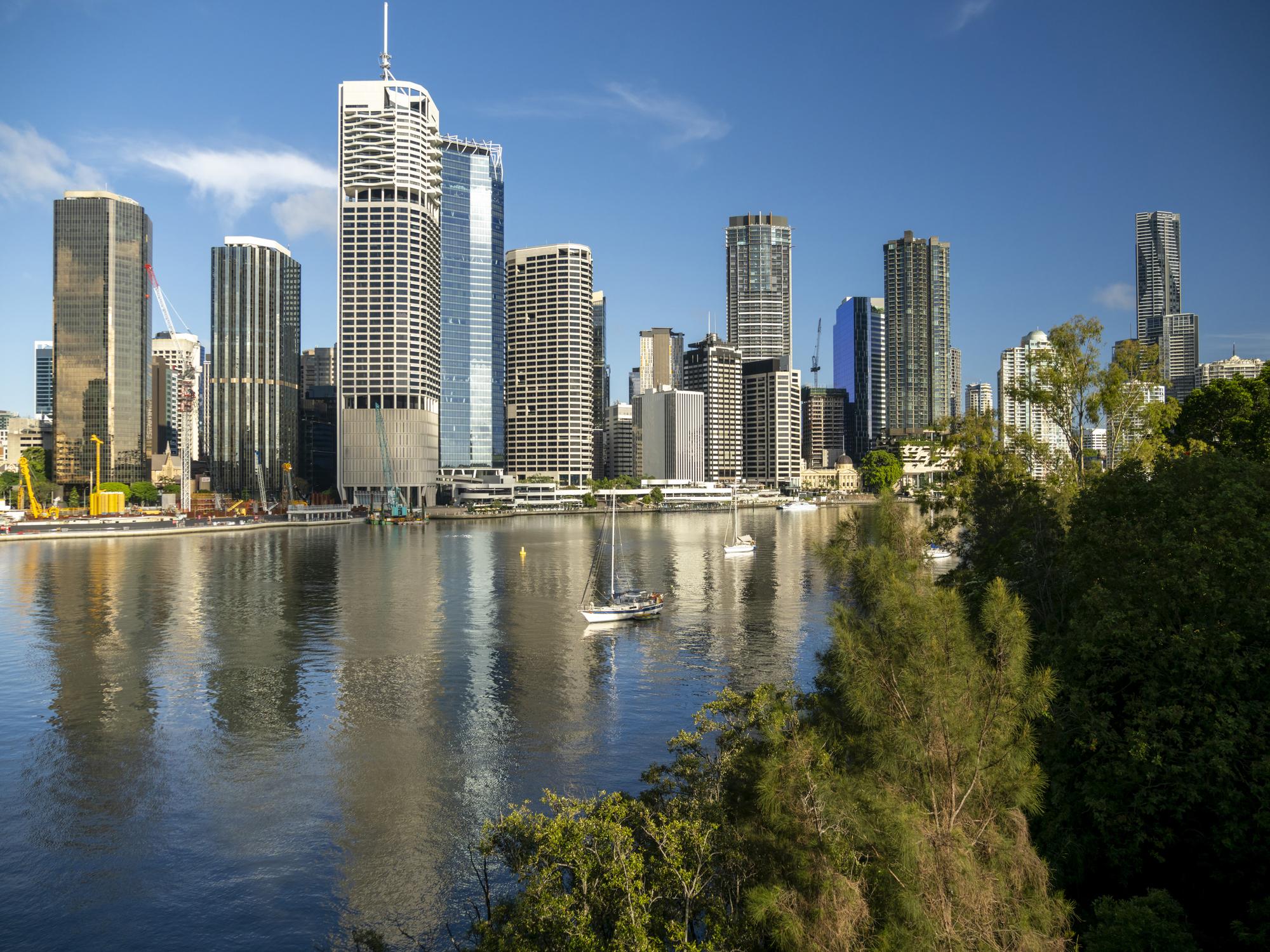
Owning commercial property in Brisbane City puts you at the centre of one of Australia’s most active and complex property markets. With a mix of office towers, retail precincts, mixed-use assets, and fringe-CBD commercial stock, Brisbane City attracts a wide range of buyers — from private investors through to institutional groups.
But that doesn’t mean selling is straightforward.
For most owners, the decision to sell comes down to three core factors:
Market trends – what buyers are doing right now
Property performance – how your asset stacks up on income and risk
Interest rates – how lending conditions shape buyer behaviour
Here’s a plain-English guide to deciding whether now is the right time to sell your commercial property in Brisbane City — or whether waiting makes more sense.
1. Brisbane City market trends: depth matters
Brisbane City is not a single market — it’s multiple micro-markets operating at once.
Buyer demand varies significantly depending on:
Asset type (office, retail, mixed-use, strata commercial)
Building quality and age
Lease structure and tenant profile
Price point and lot size
What Brisbane City does offer is depth. There are always buyers active — but they are selective. Well-positioned assets tend to attract interest quickly, while secondary stock can take longer unless priced very accurately.
In practical terms, this means:
Strong assets don’t need hype — they need clarity
Over-pricing is quickly exposed
Buyers compare aggressively across the CBD and inner-fringe options
If enquiry levels are steady and comparable sales support your expectations, it may indicate a solid window to sell. If stock levels are rising in your asset class, strategy becomes even more important.
2. Property performance: what buyers see first
In Brisbane City, buyers are highly numbers-driven. They will assess your property on performance before emotion.
Key questions they ask immediately:
How secure is the income?
How long is left on the lease(s)?
Who is the tenant, and how reliable are they?
Is the rent at market, above, or below?
Are outgoings clean and fully recoverable?
Are any major capital works approaching?
A property with:
Strong lease terms
Stable tenants
Predictable outgoings
Minimal near-term capital expenditure
…is easier to finance and easier to sell.
If your asset is approaching lease expiry, vacancy, or significant building works, some owners choose to sell before those risks become front-of-mind for buyers
3. Interest rates: why they influence timing
Interest rates shape commercial markets more quietly than residential — but the impact is real.
When rates are higher or uncertain:
Buyers scrutinise yields more closely
Lending assessments tighten
Lease risk is priced harder
This doesn’t stop transactions in Brisbane City — it changes the type of assets that sell best.
In these conditions, buyers favour properties that are:
Straightforward to understand
Easy to finance
Backed by strong leases
Realistically priced from day one
For sellers, this means timing alone isn’t enough. Positioning and pricing strategy play a major role in achieving a strong result.
4. Personal and strategic timing
The right time to sell isn’t just about the market — it’s also about your position as an owner.
Many Brisbane City owners decide to sell when:
Equity has reached a target level
Capital is needed for another opportunity
The property no longer fits their portfolio strategy
They want to reduce exposure or management complexity
Holding a commercial asset purely on the assumption that “prices will be higher later” can be risky if lease structures, tenant demand, or building costs move against you.
Selling makes the most sense when market conditions and personal strategy align.
Sell now or wait: a practical way to think about it
Instead of asking “Should I sell now or wait?”, a better question is:
“Will holding this property for another 12–24 months clearly improve its value — or increase risk?”
Selling may make sense now if:
Your lease profile is strong and marketable
You’re selling certainty in a cautious environment
You want to redeploy capital
The asset no longer aligns with your long-term goals
Waiting may make sense if:
You can realistically strengthen leases
Minor works will materially reduce buyer objections
The property is performing exceptionally well and risk is low
For owners familiar with residential sales, it’s worth noting that commercial decisions are less about the “accept first offer or wait” mindset and more about fundamentals. The idea of a first offer selling house doesn’t translate directly — lease strength and income certainty matter far more.
Call to Action – Strategic & Advisory
Thinking about selling in Brisbane City?
Speak with Norton’s Real Estate first to understand current buyer demand, pricing strategy, and how to achieve the strongest possible result.
Disclaimer
This article is general information only and does not constitute financial, legal, or investment advice. Commercial property values and buyer demand can change due to interest rates, tenant conditions, building costs, and market supply. You should seek independent professional advice before making any decision to sell, hold, or restructure a commercial property asset.