Is It the Right Time to Sell Your Commercial Property in Burleigh Heads?
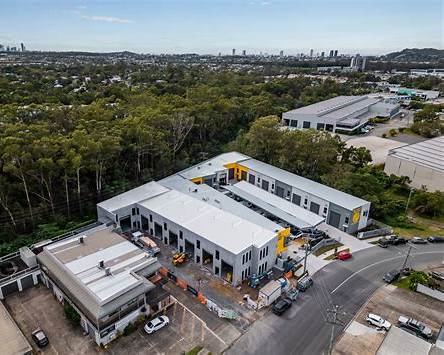
Is It the Right Time to Sell Your Commercial Property in Burleigh Heads?
If you own a commercial property in Burleigh Heads, the timing question usually isn’t about guessing the market. It’s about selling when your asset looks low-risk, easy to understand, and easy to finance — versus waiting and hoping conditions improve on their own.
Burleigh is a unique commercial pocket on the Gold Coast. It attracts a mix of buyers: owner-occupiers who want a base close to the action, and investors chasing tightly held stock where demand is driven by local business activity, lifestyle trade, and limited supply.
To decide whether you should sell now or wait, focus on three practical factors: market trends, property performance, and interest rates.
1) Market trends: what’s actually in demand right now?
Commercial markets don’t move as one. They move in “lanes”. In Burleigh Heads, buyer demand often concentrates around:
Small warehouses / trade units (easy access, parking, clean layout)
Showrooms & creative-commercial spaces (presentation matters, fit-out value)
Service commercial (health, professional, studio-style operators)
Mixed-use pockets where foot traffic and convenience drive tenant stability
A strong sign it may be the right time to sell is when you’re seeing:
enquiry from buyers asking for lease details and outgoings
multiple parties wanting inspections in the same week
buyers who are comfortable moving quickly (especially owner-occupiers)
Regionally, commercial commentary continues to focus on supply/demand dynamics and how tighter (or tightening) conditions support rents and buyer confidence, particularly in better-located stock.
Burleigh-specific reality: good stock can be tightly held. When buyers feel they don’t get many chances, they often act faster — but only if the deal is priced and packaged properly.
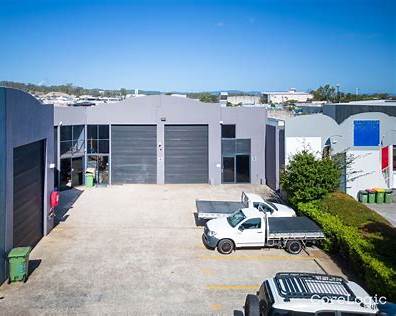
[Insert mid-blog image here: Burleigh industrial/warehouse exterior – clean, no signage]
2) Property performance: does your asset “read well” on paper?
In commercial, buyers don’t just buy a building — they buy the risk profile.
Before you decide to sell now or wait, look at your property through a buyer’s eyes:
If it’s leased:
Lease term remaining: longer and cleaner often feels safer
Rent reviews: clear annual increases are attractive
Outgoings: are they recoverable and well documented?
Tenant quality: stable operations usually = stronger buyer confidence
If it’s vacant (or you’re an owner-occupier):
How flexible is the space? Can it suit multiple business types?
Presentation: clean entry, lighting, access, parking, amenities
Compliance: fire/safety paperwork, approvals, and maintenance history
Here’s the simple rule: the easier you make due diligence, the more buyers you attract.
That means having ready:
a one-page summary (rent, outgoings, key features)
copies of the lease (if any)
clear disclosure about what is included (fit-out, fixtures, parking allocations)
Even small tidy-ups can pay off because they remove buyer doubt — and doubt is what causes discounts.
3) Interest rates: why they matter (even if you’re not borrowing)
Interest rates influence two things that directly impact sale outcomes:
Borrowing capacity (what a buyer can pay)
Investor yield expectations (what return they demand)
The Reserve Bank of Australia publishes the official cash rate target, and market expectations can move quickly around upcoming decisions.
What this means in plain English:
when finance feels tighter, buyers become pickier on price and conditions
when rate expectations settle, confidence improves and competition tends to lift
So the decision isn’t “sell only when rates fall.” It’s: position your property so it still stacks up under today’s finance settings (clean numbers, clean terms, clean story).
If you get the first offer: accept first offer or wait?
This is where strategy matters.
Even though this is commercial, many owners google phrases like “accept first offer or wait” and even “first offer selling house” — because the psychology is the same: What if I take it and leave money on the table?
Use this quick test:
The first offer is often worth taking (or negotiating hard) if:
it’s close to fair value for today’s market
the buyer is credible (finance-ready, sensible timeframes)
enquiry is limited and you don’t have other parties circling
You’re usually better to wait (or counter firmly) if:
multiple buyers are active and asking detailed questions
the offer has long, loose conditions (big “subject to” clauses)
the buyer is lowballing because you haven’t tested the market properly
A good agent uses the first offer to create leverage — either by tightening terms, improving price, or using it to bring other buyers forward.
Want a straight answer on your Burleigh Heads property?
If you’re thinking of selling — or you’ve received an offer and you’re unsure what to do next — we’ll give you a clear strategy based on buyer demand, comparable evidence, and how your property will be assessed by valuers and financiers.
Disclaimer
This article is general information only and does not constitute financial, legal, or real estate advice. Market conditions, lending criteria, and buyer demand can change quickly and vary by property type, location, and lease profile. You should obtain independent professional advice and a property-specific appraisal before making any decision to sell or hold.