Is It the Right Time to Sell Your Commercial Property in Coomera?

Is It the Right Time to Sell Your Commercial Property in Coomera?
If you own a commercial property in Coomera, the “sell now or wait?” question is rarely about luck. It’s about selling when your property looks low-risk, in-demand, and easy to finance — versus waiting and hoping the market improves without you changing anything.
Coomera is one of those areas where commercial demand is tied to population growth, business expansion, and transport access. Infrastructure planning around the M1 and the planned Coomera Connector is part of the broader story buyers watch because it can influence movement, logistics, and confidence over time.
To decide whether you should sell now or wait, focus on three practical factors: market trends, property performance, and interest rates. And if you’re asking yourself “accept first offer or wait” (yes — even commercial owners search that), there’s a smart way to think about it without guessing.
1) Market trends: is demand strong for your type of commercial property?
Commercial property doesn’t move as one market — it moves in lanes. In Coomera, buyer demand usually depends on what you own:
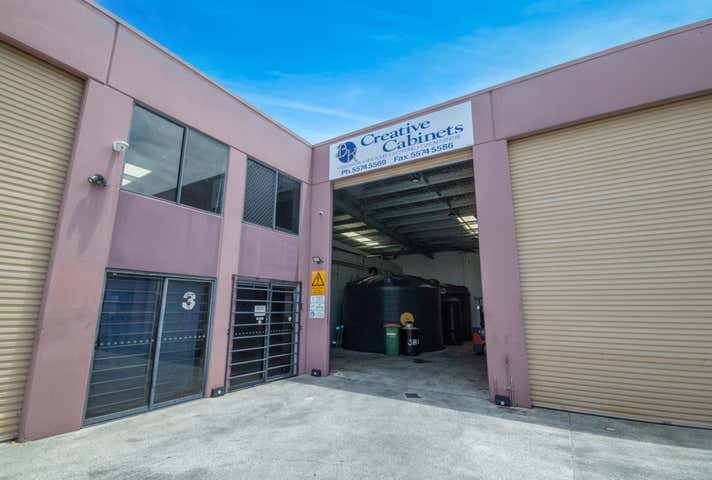
Strata industrial / small warehouses (roller door, parking, simple access)
Service-commercial (medical/allied health, professional suites, gyms, studios)
Bulky goods / showroom style (visibility, customer parking, easy entry)
A good sign it may be the right time to sell is when you’re seeing:
enquiry that quickly turns into “send the outgoings / lease / floor plan”
buyers who want to inspect quickly and ask practical questions (access, parking, approvals)
owner-occupiers in the mix (they often move faster than pure investors)
Gold Coast research has consistently pointed to the impact of population growth, infrastructure investment and supply constraints across commercial sectors — which is exactly what owner-occupiers and investors care about when deciding where to deploy capital.
2) Property performance: what story does your asset tell on paper?
In commercial, buyers don’t just buy a building — they buy the certainty of the income (or the usability) and the simplicity of the deal.
Before you decide to sell now or wait, look at your property the way a buyer’s valuer and lender will:
If it’s tenanted
Lease term remaining: longer and cleaner generally feels safer
Rent reviews: clear increases reduce buyer doubt
Outgoings: clean recoveries and a tidy schedule make due diligence faster
Tenant profile: stability matters (not just rent amount)
If it’s vacant or owner-occupied
Flexibility: can other businesses use it without big changes?
Access + parking: simple access often wins over “pretty” design
Obvious capex: anything that looks like a near-term cost will be priced in
A simple way to lift buyer confidence is to prepare a one-page “buyer pack”:
rent schedule (or realistic market rent guidance)
outgoings summary
inclusions/exclusions list (fit-out, racking, equipment)
approvals/compliance notes where relevant
The cleaner the paperwork and presentation, the broader your buyer pool — and broader pools usually mean better negotiation power.
3) Interest rates: why they matter even if you aren’t the one borrowing
Interest rates influence two things that affect your sale result:
Borrowing capacity (what buyers can pay), and
Yield expectations (what investors demand for the income).
The Reserve Bank of Australia publishes the cash rate target, and market expectations can shift quickly around decision windows.
Plain-English takeaway: when rates (or expectations) are uncertain, buyers tend to become more selective on price and conditions. That doesn’t mean you can’t sell — it means your strategy has to be tight: clean info, clean positioning, and pricing that makes sense under real-world finance.
“Accept first offer or wait?” (and why this matters in commercial)
Owners still search phrases like “accept first offer or wait” and even “first offer selling house” because the fear is the same: What if I sell too quickly and leave money on the table?
Here’s the practical approach:
If demand is thin for your asset type, a strong early buyer can be the right buyer.
If demand is strong and multiple parties are active, controlled competition often improves price and terms.
The key isn’t guessing — it’s making sure the market properly tests your property with the right buyers, in the right way, at the right price point.

Ready to sell in Coomera?
If you’re considering selling your commercial property, we’ll give you a clear, evidence-based plan grounded in buyer demand, comparable results, and how your property will be assessed by valuers and lenders.
That means no guesswork, no over-promising — just a practical strategy designed to secure the best possible outcome in today’s market.
Disclaimer
This article is general information only and does not constitute financial, legal, or real estate advice. Market conditions, buyer demand, and lending settings can change quickly and vary by property type, lease profile, and exact location. You should obtain independent professional advice and a property-specific appraisal before deciding to sell or hold.