Is It the Right Time to Sell Your Commercial Property in Helensvale?
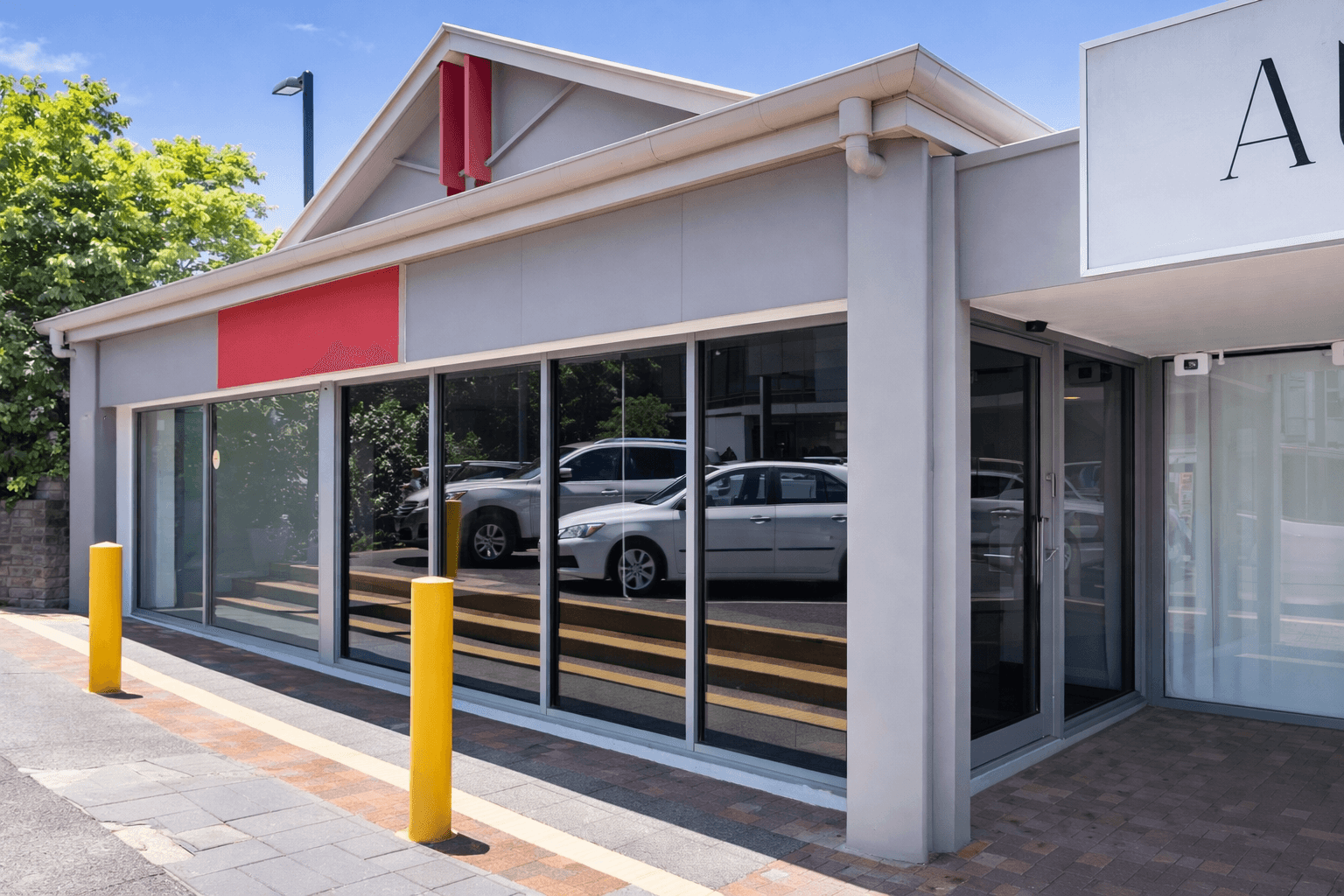
Is It the Right Time to Sell Your Commercial Property in Helensvale?
If you own a commercial property in Helensvale, the “right time to sell” usually comes down to three practical questions:
What’s happening in the local market? (buyer demand + supply)
How is your property performing? (income + risk)
What is money costing right now? (interest rates + lending appetite)
Helensvale is a key northern Gold Coast hub because of its transport links and access to major roads. The area’s heavy and light rail connection at Helensvale Station makes it a major interchange point, which supports surrounding business activity.
So how do you decide whether to sell now or wait? Here’s a plain-English breakdown.
1) Market trends in Helensvale: what buyers care about most
Commercial buyers in Helensvale are typically looking for “easy to understand” assets: stable income, good access, and sensible risk.
Helensvale’s appeal is strongly linked to:
Connectivity and commuter flow (rail interchange + parking and access)
Road infrastructure and the way it supports movement through the northern Gold Coast
For example, the Queensland Department of Transport and Main Roads states that Stage 1 of the Coomera Connector (Coomera to Nerang) opened to traffic between Shipper Drive and Helensvale Road—an important access improvement for the area.
At a broader level, major agencies are still highlighting population growth and infrastructure investment as ongoing drivers across the Gold Coast economy and property markets.
What this means for your sale timing:
If your property is well-positioned (location, access, tenant profile), you may find there’s buyer demand even when conditions are “mixed.” If it’s secondary stock (short leases, older improvements, weaker location), the market can feel tighter and pricing strategy becomes critical.
2) Property performance: is your building “sell-ready” right now?
Commercial buyers don’t just buy a building — they buy the income stream and the risk profile.
Before deciding to sell, review these fundamentals (because buyers will):
Lease length: How much term is left? Any breaks? Any upcoming renewals?
Tenant strength: Are they stable, established, and paying reliably?
Rent position: Is the rent at market, under market (upside), or over market (risk)?
Outgoings: Are they recoverable and clearly documented?
Vacancy risk: If a tenant left, how hard would it be to replace them?
Capital works: Any known big-ticket items coming up (roofing, HVAC, compliance, parking)?
If your asset is currently well-leased with clean numbers, you’re generally selling from a position of strength. If you’re heading toward vacancies or major works, some owners choose to sell before those issues start reducing buyer confidence.

3) Interest rates: how they change what buyers will pay
Interest rates matter in commercial property because they influence:
buyer borrowing capacity
investor required returns (yields)
how strict lenders are on valuations and lease risk
Right now, the Reserve Bank’s official cash rate target is 3.60%.
Market expectations can move around from week to week, which is why tools like the ASX RBA Rate Tracker are useful as a sentiment gauge.
What this means for sellers:
In a higher-rate or uncertain-rate environment, buyers become more disciplined. They’ll still buy good assets — but they’ll be sharper on lease risk, vacancy risk, and “what’s it going to cost me next year?”
So the properties that sell best are typically the ones that are:
clearly positioned
realistically priced
easy to finance (strong leases help)
low drama (minimal capex surprises)
The “sell now or wait” decision in one practical checklist
Selling can make sense now if:
your lease profile is strong and you can sell the certainty
you’d rather exit before lease expiry / vacancy risk
you want to free up capital for another opportunity
the property no longer fits your long-term plan
Waiting can make sense if:
you can realistically improve value soon (e.g., renew a lease, reduce outgoings, complete minor upgrades that remove buyer objections)
you’re comfortable holding through the next phase of rate and market movements
The key is this: waiting only helps if you have a plan that improves the numbers or reduces risk. Otherwise, waiting is just time passing.
Call to action
Thinking about selling in Helensvale?
Speak with Norton’s Real Estate first to understand current buyer demand, pricing strategy, and how to achieve the strongest possible result.
Disclaimer
This article is general information only and does not constitute financial, legal, or investment advice. Commercial property values and buyer demand can change quickly based on interest rates, tenant conditions, property condition, and local supply. You should obtain independent professional advice before making any decision to sell, hold, or restructure a commercial property asset.