Main Beach Commercial Market Update
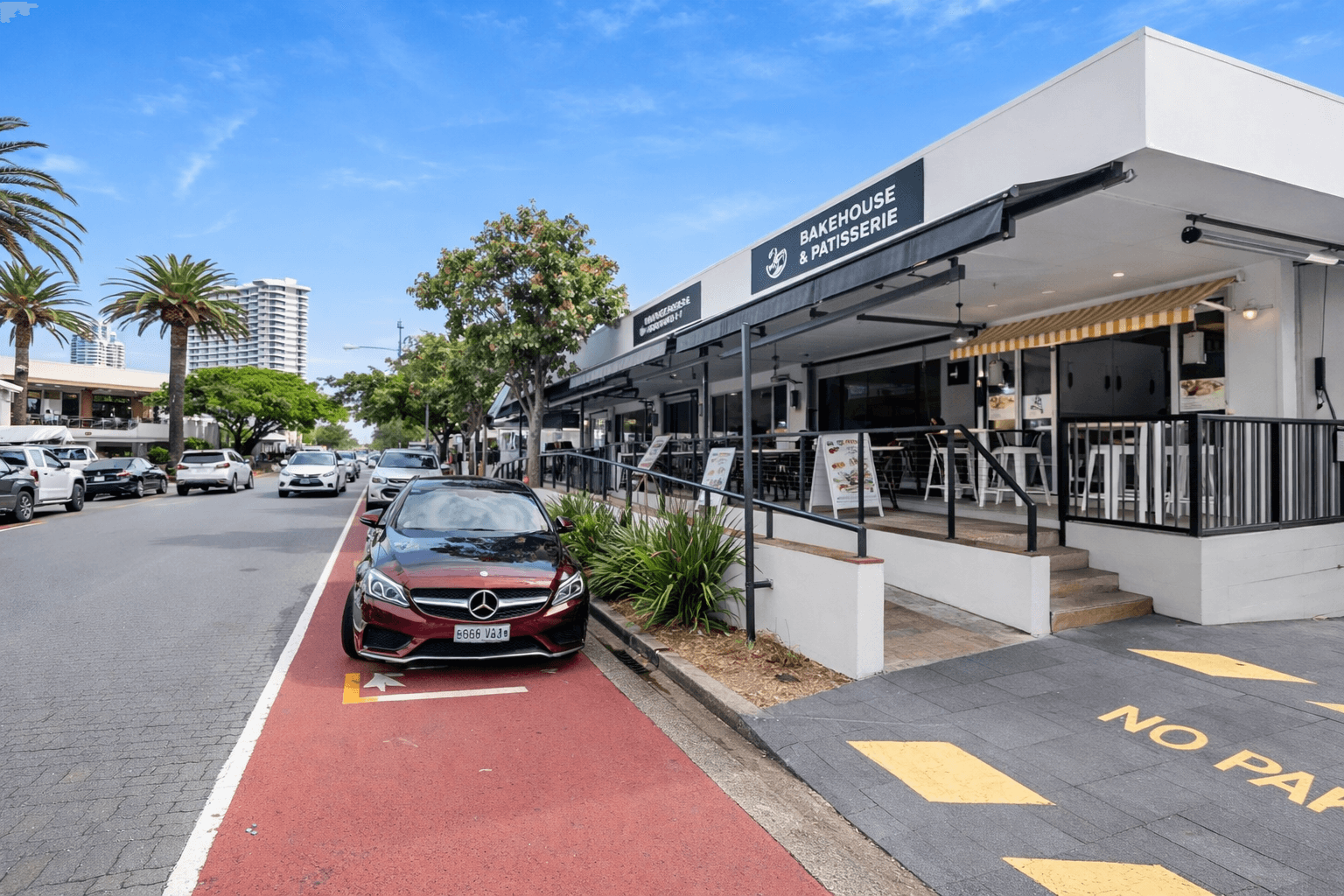
Main Beach Commercial Market Update (Gold Coast) — Rents, Yields, Demand & What’s Shifting Now (2026)
Main Beach is not a “volume” commercial market — it’s a tight, boutique precinct where scarcity and lifestyle-driven trade often matter more than broad Gold Coast averages. The suburb’s commercial activity is concentrated in a few high-impact pockets:
Tedder Avenue (the core village strip: cafés, dining, boutique retail, allied health)
Seaworld Drive / Marina precinct (destination trade, marine and visitor economy spending)
The Spit / tourism and recreation catchment (long-term planning influences sentiment)
This update focuses on the trends that actually move pricing and enquiry in Main Beach: rental tension, buyer appetite for “trophy” assets, yield expectations, and the documentation that reduces buyer friction.
🧭 What makes Main Beach different (and why buyers treat it like a “scarcity” market)
Unlike broader commercial hubs, Main Beach stock is:
Limited and tightly held (many long-term owners; fewer repeat transactions)
Often strata-titled (small suites/shops with body corporate variables)
Heavily influenced by lifestyle demand (walkability + dining + affluent local catchment + visitor spend)
At a Gold Coast-wide level, major agencies continue to describe the region as attracting strong interest from investors, developers and occupiers, supported by infrastructure, population growth and diversification. That macro confidence shows up in Main Beach as competition for well-positioned, well-leased assets — even when secondary assets take longer.
📈 Leasing & rents: where the heat is (and where tenants negotiate hard)
1) Tedder Avenue — “village retail” remains the demand engine
Tedder Avenue is the clearest indicator of Main Beach commercial health. When high-profile assets come to market there, the messaging from agents is consistent: scarcity + lifestyle retail = strong buyer attention.
A recent example: a prominent Tedder Avenue corner asset marketed in 2025 was described as “tightly held” with a current net income of ~$177,888 p.a. + GST, and potential to lift to ~$204,088 p.a. + GST when fully leased, with commentary pointing to rental upside at reviews.
That’s not a suburb-wide rent benchmark — but it does confirm what landlords and buyers are seeing:
the strip supports premium income when the tenancy mix is right
vacancy and leasing outcomes are heavily driven by position, exposure, and fit-out quality
tenants will pay for “easy trade” sites (corner exposure, multiple access points, strong footfall)
Tenant demand strongest for:
🟦 Hospitality (cafés, restaurants, wine bars)
🟩 Beauty/wellness and allied health
🟨 Boutique services that benefit from local affluence + visitor presence
Tenant negotiation patterns:
Prime strip sites: tenants negotiate on lease terms, signage rights, and make-good, not just rent
Secondary/less-visible tenancies: tenants negotiate harder on incentives, fit-out contributions, and outgoings clarity
2) Marina precinct: transition risk + long-term upside
Main Beach’s marina-side commercial story is currently being shaped by the Marina Mirage transformation. Makris Group announced Marina Mirage’s closure to commence a $500 million transformation (positioned ahead of the 2032 Olympics), combining marina culture with new hospitality and residential components.
What that means for the commercial market:
Short-term: some displacement of trade and tenant relocation decisions (tenants reassess where they want to be)
Medium-term: increased enquiry for alternative nearby hospitality/retail as operators seek continuity
Long-term: heightened profile of Main Beach as a luxury destination can support stronger tenant demand for well-located stock (particularly if the new precinct drives visitation)
Seller takeaway: If your asset benefits from the marina/tourism economy, position it as an “alternative capture” opportunity while the precinct is in transition — buyers understand displacement creates winners and losers.
💰 Yields and buyer pricing: what investors are actually underwriting in 2026
Main Beach buyers are more yield-sensitive than people assume — but the yield question is usually secondary to risk. Buyers first ask:
✅ How secure is the income?
✅ What’s the lease term and option structure?
✅ Are outgoings recoverable and clearly documented?
✅ Is there any body corporate capex risk?
✅ Can the tenancy be re-leased quickly if it becomes vacant?
Across commercial markets more broadly, there’s strong evidence that investors are selectively returning to quality, with commentary noting first signs of cap-rate compression for prime assets (after a repricing phase), and that tenant preference is skewing toward better-quality space.
How this translates to Main Beach:
“Trophy” Tedder Ave assets: buyers often accept sharper yields if income is clean and demand is obvious
Strata shops/suites: yields widen when body corporate uncertainty, special levies, or short leases appear
Vacant possession opportunities: owner-occupiers may outbid investors if the site solves a business need
Rule of thumb in Main Beach:
If buyers can clearly see a re-leasing path (and you can prove demand), they price risk down. If they can’t, they price it up.
🧑💼 Buyer demand: the three Main Beach buyer types (and what each one wants)
1) Lifestyle investors 📊
They target “set-and-hold” assets in premium strips.
want stable tenants, minimal capex
like high-exposure corners and proven hospitality trade
need clean documentation: lease, outgoings, sinking fund info
2) Owner-occupiers 🔑
Often hospitality, health, boutique service operators.
want signage, visibility, customer access
care about fit-out cost and approval pathways
prefer flexible settlement or short lease tails
3) Value-add buyers 🧰
They look for under-rented or poorly presented tenancies.
pursue upside through better tenant mix, refurbishment, improved lease structures
price hard if there’s vacancy risk or capex pending
move quickly when the upside story is obvious
🧾 What’s happening with “rents vs. outgoings” and why it matters more in Main Beach
In Main Beach, tenants and buyers will scrutinise outgoings because:
some stock sits in older mixed-use buildings (variable maintenance needs)
body corporate levies can materially change affordability
hospitality operators must factor grease trap/venting, waste handling, and compliance upgrades
Seller tip: A clean “outgoings pack” can protect your price more than a glossy brochure:
current budget + last AGM minutes
sinking fund balances and forecast works
any special levy history
insurance confirmation and renewal timing
When buyers don’t have clarity, they assume worst-case and widen the yield they require.
🏗️ Planning & precinct signals: The Spit effect on sentiment
The Spit’s planning direction matters because it shapes long-term confidence in the broader Main Beach tourism and visitor economy. The Gold Coast Waterways Authority has published precinct planning material around the “Top of The Spit” that signals ongoing attention to the area’s future.
Even when planning outcomes take years, they influence buyer psychology today:
more confidence in visitor economy durability
stronger belief in future amenity uplift
increased investor interest in “close to the action” commercial holdings
🏆 The Main Beach “value levers” that lift price fast
If you want to sell Main Beach commercial for a premium, focus on the levers buyers pay for:
✅ 1) Lease structure (WALE-lite still matters)
Even modest improvements help: option exercised, fresh 3–5 year term, CPI or fixed reviews, clearer make-good.
✅ 2) Tenant mix and replaceability
Buyers pay more when they believe the tenant is:
essential/service-based
strong operator
replaceable if they leave (i.e., not a one-off niche)
✅ 3) Presentation and compliance
In a boutique market, buyers assume “nice strip = nice asset.” Small upgrades can outperform in Main Beach:
clean façade and signage readiness
tidy common areas
compliance items addressed (especially for hospitality)
📣 Call to Action (tailored for sellers)
If you’re considering selling a Tedder Avenue shop, a strata commercial suite, a hospitality tenancy, or a Main Beach investment holding, we’ll map the buyer type first — then build a campaign that reduces uncertainty (leases, outgoings, body corporate) so buyers compete instead of discounting.
🧾 Disclaimer
This article is general information only and does not constitute legal, financial, or investment advice. Commercial property outcomes vary significantly by asset type, lease terms, building condition, outgoings, and micro-location. Always obtain independent advice and a property-specific appraisal before making decisions.