New Farm Commercial Market Update 2026
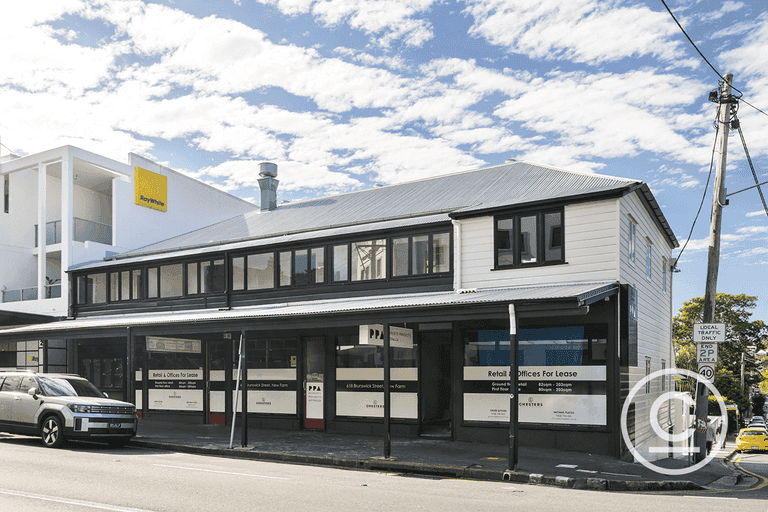
New Farm Commercial Market Update 2026
New Farm Commercial Market Update 2026 | Rents, Yields & Buyer Demand | Norton’s Real Estate
Inner-City Brisbane Retail & Mixed-Use Market
New Farm’s 2026 commercial property market is driven by high-income demographics, café and hospitality demand, and tightly held mixed-use stock. Discover current rents, yields and how to sell your New Farm commercial property with Norton’s Real Estate.
📍 Why New Farm Is One of Brisbane’s Most Tightly Held Commercial Suburbs
New Farm is not an industrial corridor market.
It is not a logistics hub.
It is not a suburban business park.
New Farm is a lifestyle-driven, high-income inner-city precinct.
Commercial demand here is shaped by:
☕ Hospitality and café culture
🛍 Boutique retail
🏢 Small office and creative users
🏘 Mixed-use residential density
🚶 Walkability and riverside amenity
In 2026, New Farm commercial property performs differently to corridor suburbs like Loganholme or Nerang. It is a retail and mixed-use micro-market driven by demographic strength and scarcity.
📊 Demographic & Economic Drivers (Official Data Only)
👥 High-Income Catchment Strength
Australian Bureau of Statistics data continues to show that inner Brisbane suburbs, including New Farm, maintain:
High household income levels
Strong professional employment base
Low vacancy residential environments
Stable owner-occupier demographics
High disposable income directly supports:
Food and beverage operators
Specialty retail
Health and boutique services
Professional office tenants
(Source: Australian Bureau of Statistics)
💰 Interest Rate Environment & Investment Climate
The Reserve Bank of Australia cash rate remains above historical lows, influencing:
Yield expectations
Investor borrowing capacity
Risk-adjusted pricing
However, rate stabilisation through 2025–2026 has supported renewed confidence in premium inner-city investment markets.
New Farm’s pricing is more sensitive to scarcity than to industrial yield cycles.
🏬 Retail & Hospitality Sector – 2026 Performance
New Farm’s commercial core is largely concentrated along:
Brunswick Street
Merthyr Road
James Street fringe influence
Riverside precinct pockets
What Tenants Want in 2026:
🚶 High pedestrian traffic
☕ Outdoor dining capability
🅿 Limited but accessible parking
🏷 Strong frontage visibility
📍 Boutique positioning
Unlike industrial suburbs, New Farm tenants prioritise street appeal and customer experience.
💵 Rental Conditions
2026 leasing observations indicate:
Stable prime retail rents
Strong competition for well-positioned hospitality sites
Limited supply of quality retail tenancies
Incentives minimal in premium strip locations
Because stock turnover is low, well-located assets can achieve strong rental outcomes relative to broader suburban averages.
💰 Retail & Mixed-Use Yields
Investor appetite in New Farm focuses on:
Ground-floor retail with residential above
Fully leased mixed-use investments
Boutique commercial strata
Long-standing hospitality tenants
Yields are influenced by:
Tenant covenant strength
Lease duration
Building condition
Exposure and location quality
Premium strip assets often command stronger pricing due to scarcity.
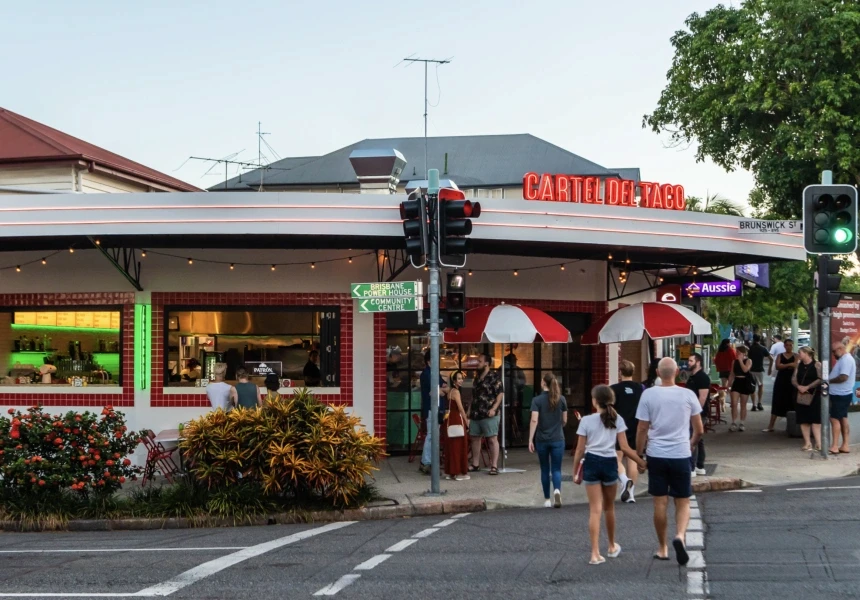
In New Farm, frontage and pedestrian exposure significantly influence asset value.
🏢 Office & Creative Commercial Market
New Farm supports:
Small professional offices
Creative studios
Allied health operators
Boutique service businesses
Office demand is typically:
Low volume
Highly location-specific
Quality-sensitive
Buyers prefer:
Character buildings
Modernised heritage assets
Walkable locations
Office yields reflect scarcity rather than large-scale corporate absorption cycles.
📈 Buyer Categories in New Farm – 2026
1️⃣ Passive Investors
Seeking:
Stable retail income
Strong hospitality tenants
Boutique mixed-use assets
Long-term capital preservation
2️⃣ Owner-Occupiers
Common in:
Professional services
Medical and allied health
Creative industries
Often willing to pay premium pricing for lifestyle positioning.
3️⃣ Value-Add Investors
Target:
Under-utilised mixed-use properties
Cosmetic repositioning opportunities
Rental uplift through refurbishment
In 2026, pricing spreads in New Farm are driven by:
Location within the strip
Tenant strength
Street presence
Scarcity
🧱 What Sells Fastest in New Farm
✔ Ground-floor retail with strong frontage
✔ Fully leased mixed-use buildings
✔ Boutique commercial strata
✔ Character properties with modern upgrades
✔ Assets priced realistically to yield
🚶 Lifestyle & Amenity Advantage
New Farm benefits from:
Riverfront access
Parklands and public spaces
Strong café culture
Proximity to Brisbane CBD
Walkability
Lifestyle-driven commercial precincts tend to maintain stable tenant demand due to demographic resilience.


Professional presentation enhances enquiry conversion in tightly held premium markets.
🧠 How to Sell Your New Farm Commercial Property in 2026
At Norton’s Real Estate, successful New Farm campaigns focus on:
🎯 Buyer Segmentation
Investor vs owner-occupier positioning.
📊 Income Presentation
Lease summary
Outgoings clarity
Rental history
Building condition documentation
📷 Lifestyle-Focused Marketing
Street frontage
Pedestrian flow
Outdoor dining capability
Neighbouring tenant mix
In New Farm, presentation and narrative matter as much as numbers.
Why Choose Norton’s Real Estate for New Farm Commercial Sales?
Selling commercial property in New Farm requires:
Accurate yield-aligned pricing
Understanding of boutique retail dynamics
Targeted exposure to active investors
Strong lifestyle marketing narrative
Norton’s Real Estate specialises in:
Mixed-use investment sales
Retail strip assets
Boutique commercial property marketing
Strategic commercial campaigns
📞 Sell Your New Farm Commercial Property with Norton’s Real Estate
Considering selling your New Farm retail property, office, or mixed-use investment?
Request a confidential commercial property appraisal today.
Disclaimer
This article is general information only and not financial or legal advice. Commercial property outcomes vary depending on lease structure, asset condition, zoning and market timing. Official macroeconomic references sourced from government publications including the Reserve Bank of Australia and Australian Bureau of Statistics.