Rent vs Sell: When Does Selling Your Pimpama Home Make Sense?

Rent vs Sell: When Does Selling Your Pimpama Home Make Sense?
Owning property in Pimpama means you’re part of one of the fastest-growing residential corridors in South East Queensland. Pimpama isn’t about prestige or beachfront lifestyle—it’s about scale, affordability, infrastructure, and long-term growth.
That’s exactly why many owners reach a crossroads and ask:
Should I rent my Pimpama home out, or does selling now make more sense?
This article takes a Pimpama-specific view of that decision. It’s written in plain English and focuses on real-world outcomes—looking at prices, rental dynamics, growth patterns, and the situations where selling can outperform holding.
Why Pimpama Is a Very Different Market
Pimpama is a growth suburb, not a legacy one. It’s shaped by:
Large-scale residential development
Young families and first-home buyers
Strong rental demand from affordability-driven tenants
Ongoing infrastructure investment
Unlike established suburbs, Pimpama’s performance is heavily influenced by supply cycles. That means timing matters more here than in tightly held suburbs.
This is what makes the rent-versus-sell decision in Pimpama more strategic—and more time-sensitive.
Median Property Prices in Pimpama
Based on current market indicators, Pimpama remains one of the more affordable entry points on the Gold Coast, despite strong growth over recent years:
Median house price: approximately $760,000 – $850,000
Median unit / townhouse price: approximately $520,000 – $600,000
Houses dominate the suburb and are typically:
Modern
Low-maintenance
Located in master-planned estates
Units and townhouses are growing in number and are popular with investors and first-home buyers.
The Case for Renting in Pimpama
Renting often looks attractive in Pimpama—especially on paper.
1. Strong Rental Demand
Pimpama attracts:
Young families
Trades and logistics workers
Tenants priced out of established suburbs
Rental demand is generally strong due to affordability and modern housing stock.
2. Modern, Low-Maintenance Homes
Most homes are relatively new, meaning:
Lower maintenance costs (initially)
Energy-efficient designs
Easy leasing appeal
This supports stable rental performance.
3. Holding for Long-Term Corridor Growth
Some owners rent while holding for:
Continued infrastructure upgrades
Broader population growth
Long-term Brisbane–Gold Coast corridor expansion
In these cases, renting is a growth-hold strategy.
Where Renting Can Start to Work Against You
This is where Pimpama differs sharply from established suburbs.
Ongoing New Supply
New estates and townhouses continue to come online. This can:
Cap rental growth
Increase tenant choice
Limit capital growth in certain phases
Holding too long through high-supply periods can reduce overall returns.
Capital Efficiency
Many Pimpama owners have seen strong growth in a short time. Renting may mean:
Equity is sitting idle
Better opportunities elsewhere are missed
Growth momentum slows while you hold
This is often where selling becomes the smarter move.
Investor Competition
Pimpama has a high proportion of investment properties. This can:
Pressure rents
Increase vacancy risk in softer periods
Make differentiation harder when selling later
When Selling Your Pimpama Home Makes Sense
For many owners, selling becomes the logical choice when these conditions align.
1. You’ve Had a Strong Growth Run
If your property has seen solid appreciation since purchase, selling can allow you to:
Lock in gains
Avoid flat growth during supply-heavy phases
Reallocate capital strategically
In growth suburbs, banking gains matters.
2. Buyer Demand Is Strong Right Now
Pimpama buyers are actively seeking:
Modern family homes
Turnkey properties
Affordable alternatives to Ormeau, Coomera, and Upper Coomera
When demand is strong and listings are absorbed quickly, selling can be clean and competitive.
3. You Want Certainty
Selling provides:
A defined financial outcome
Removal of landlord risk
No exposure to supply-driven downturns
For many owners, certainty outweighs ongoing rental income.
Houses vs Units: Different Risk Profiles
Selling a House in Pimpama
Houses are the suburb’s core product. Selling often makes sense if:
Your home is similar to new stock
You want to exit before competing supply peaks
Family buyer demand is strong
Correct pricing and presentation are critical.
Selling a Unit or Townhouse
Units and townhouses are more sensitive to supply. Selling is often preferable when:
Multiple similar properties are coming online
Rental yields are flattening
Buyer demand is currently strong
Timing matters more in this segment than almost anywhere else.

A Simple Pimpama Decision Framework
Ask yourself:
Has my property already delivered most of its short-term growth?
Is rental income likely to keep pace with new supply?
Would selling now improve my overall financial position?
If selling answers more “yes” responses than renting, it’s time to look closely at your options.
Why Execution Is Critical in Pimpama
In growth suburbs like Pimpama, results are driven by:
Timing relative to supply cycles
Accurate pricing
Standout presentation
Targeted buyer marketing
A well-executed sale can significantly outperform a passive hold
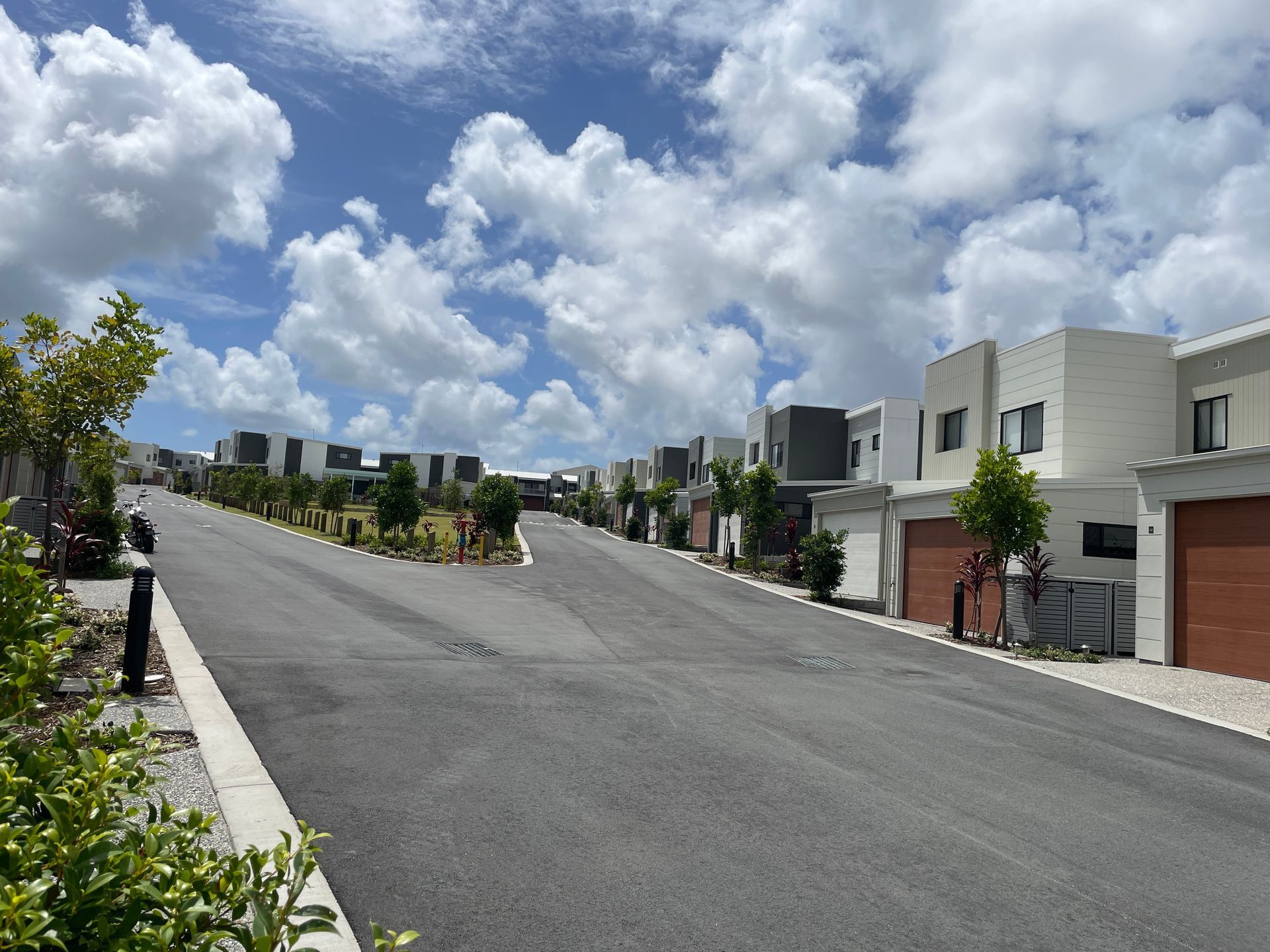
Selling in Pimpama with Norton’s Real Estate
At Norton’s Real Estate, we understand growth-corridor markets like Pimpama and how to sell within them strategically—not generically.
We offer:
Honest, suburb-specific appraisals
Clear rent-vs-sell comparisons
Targeted marketing for family buyers and investors
Professional negotiation and campaign management
📞 Speak with Norton’s Real Estate
Final Thoughts
Pimpama rewards smart timing more than almost any other Gold Coast suburb. The right decision depends on where you sit in the supply cycle, how much growth you’ve already captured, and what your next move looks like.
The key is not defaulting to rent or sell—but choosing deliberately, with a clear strategy behind it.
Disclaimer
This article is general information only and does not constitute financial, legal, or property advice. Market conditions, prices, rental returns, supply levels, and buyer demand can change at any time. All price ranges and examples are approximate and provided as a guide only. You should obtain independent professional advice and a current market appraisal before deciding to rent or sell your property.